
- News
- City News
- hubballi News
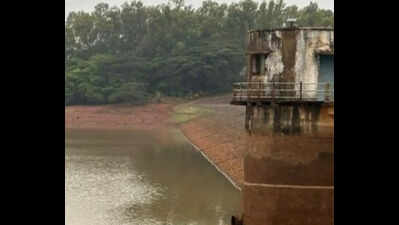
- Crisis looms in 126 villages as water levels dip in Belagavi
Trending
Crisis looms in 126 villages as water levels dip in Belagavi
End of Article
Follow Us On Social Media

Hot Picks
Top Trending
Tired of too many ads?go ad free now
Trending Stories
In City
Entire Website
- Sathankulam custodial deaths of father-son duo: Madurai court awards death sentence to nine cops
- Delhi assembly security scare: Speeding car breaks barricades, enters premises
- 'Raghav Chadha’s role as ATM is over': Ravneet Bittu says Arvind Kejriwal has found a 'bank', warns Bhagwant Mann
- Raghav Chadha made to stand like rooster, beaten in ‘secret mansion’: Ex-AAP leader Naveen Jaihind
- Bengaluru Metro to build 250 metre long elevated walkway at Silk Board linking Yellow and Blue Lines with travelator
- Mega push for Prayagraj metro: 60km plan with airport, Sangam stops
- Walked till dusk, slept by stream, waited for drones: How Kerala techie GS Sharanya survived 4 days in Kodagu forests
- Toy car bomb plot: Pan-India terror sweep leads to arrest of duo in Mumbai
- Dad welcomes divorced daughter with band-baaja
- Tamil actress Subashini dies by suicide at her Chennai home
- US-Israel-Iran War News Live Updates: 6 children killed in US-Israeli strike on Tehran; mediators push for 45-day truce as Trump deadline looms
- KKR vs PBKS, IPL 2026: Match abandoned due to rain, wet outfield
- Iga Swiatek spotted with family in Mallorca as Rafael Nadal training quietly builds intrigue before clay season
- Sathankulam custodial deaths of father-son duo: Madurai court awards death sentence to nine cops
- Karnataka 2nd PUC Results 2026 Date Time Live Updates: Result likely on this date, over 7.1 lakh students await announcement
- Delhi Assembly security scare: Police nab suspect, seize car; no bomb-like object found
- Costly F-15E Rescue Mission: US mounts $300 mln Iran CSAR; upholds ‘No man left behind’ ethos
- Tamil Nadu polls: TVK chief Vijay calls off Chennai campaign
- ‘500ml water, no network, no fear’: Missing Kerala techie Sharanya survives 4 days in Kodagu forests, found safe
- 'Dragging US towards living hell': Iran slams Trump's 'Tuesday threat' over Strait of Hormuz closure
Tired of too many ads?go ad free now



Explore Every Corner
Across The Globe
Israel Iran WarSteve BannonMatthew MarsdenGigi HadidLindsey GrahamKKR vs PBKS IPL MatchFlorida marijuana cigarettesIndian rupeeQuality Control OrderUS stock market todayHormuz transitCBSE Result 2026 DateStrait of hormuzUS F-15E PilotPuducherry ElectionToday IPL MatchKKR vs PBKSIPL Match TodayUPSSSC Constable notificationIPL Schedule 2026Gold Rate TodayKarnataka 2nd PUC ResultBihar Jeevika 2026 resultDelhi EWS Result 2026PSEB 8th Class Result 2026RTE Maharashtra Result 2026IPL2026 Points TableIPL 2026IPL Schedule 2026IPL Schedule

Hot on the Web
Rakesh BediSaif Ali Khan HouseNitesh TiwariAkshay KumarRamayanaSubashini Death NewsNayak SatyaParesh RawalRakeshRajinikanthRuhaanika DhawanDivya DuttaDhurandhar 2 Box Office CollectionKarishma TannaEarly Cancer SymptomsChef Sanjeev KapoorSweet Craving CausesVitamin D DeficiencyDhurandhar 2 ReviewSnake Survival TricksUstaad Bhagat Singh CollectionElectric Kettle RecipesIndian Saree GuideDhurandhar 2 CollectionShower SafetyMovierulzHoroscope TodayTrishaKashmira PardeshiDisha SharmaToday Gold Rate in ChennaiDelhi Weather TodayDelhi AQI TodayMumbai AQI TodayMaharashtra Public Holidays 2026Jeff BezosElon MuskArtemis IIGarena Free Fire MAX Redeem CodesWarren BuffettBasketball Zero Codes
Trending Topics
IPL Points TableMissing Kerala TechieMumbai Terror ArrestAir india CrashPrayagraj MetroBengaluru Rape CaseBengaluru MetroGhaziabad Techie DeathBengaluru Metro WalkwayRaghav Chadha Video MessageAndhra Pradesh Murder NewsSanjiv GoenkaSameer RizviMohsin NaqviR AshwinKevin PietersenGPSSB MPHW Call LetterIPL 2026PBKS vs KKRBihar BTSC lab Assistant NotificationMBOSE HSLC Result 2026Harshit RanaAvesh KhanLas Vegas RaidersTed BundyScott MillsTaylor SwiftJonathan LucroyiShowSpeed babyLuigi MangioneQuote Of The Day By Elon MuskTravis KelceBoris ChernyArtemis II Lost ContactMarc AndreessenMustafa SuleymanSundar PichaiArtemis iiScience NewsHow to watch ICC T20 World Cup 2026 in USAIPL 2026IPL Schedule 2026
Popular Categories
HeadlinesSports NewsBusiness NewsIndia NewsWorld NewsBollywood NewsHealth+ TipsIndian TV ShowsTechnologyTravelEtimesHealth & FitnessAstrologyInternational SportsDeorhiTechnology NewsAutoWeather TodayGold Rate Today DelhiSilver Rate TodayPlatinum Rate TodayIs Bank open todayVirat Kohli IPL StatsHardik Pandya IPL StatsBank HolidaysPublic HolidaysBank Holidays AprilPublic Holidays AprilAries HoroscopeGemini Horoscope
Trending Videos
Jaishankar Speaks To Qatar PM, India Ramps Up Diplomatic Outreach Amid Iran EscalationUAPA Terror Case: NIA Court Sends US Citizen, 6 Ukrainians To 30-Day Judicial Custody‘Direct Hit…’: Arab Drones Target Eilat As Houthis Expand Fight With US, Israel | ‘Shock’ For TrumpJake Paul Plans CONTROVERSIAL Clapback After Druski’s Erika Kirk Parody Sparks OutrageUS Military Spending In Iran War 'Out’; 'Billion Dollars Per Day...' | Sensational RevelationPentagon BLOODBATH After F-15 Flop Show In Iran? Hegseth 'Leads' Trump's War Purge Parade | WatchIran Claims Strike On USS Tripoli, Raises Fears Of Direct US-Iran Naval Clash In Expanding WarVignesh Shivan opens up on fallout with Dhanush; calls losing friendship his “biggest regret”
Latest News
Hazaribag man drowns while fishing in lake"Behen Darr Gayi!": Fans relive ‘Bhagam Bhag’ era after watching Akshay Kumar's 'Bhooth Bangla' trailerMBOSE HSLC result 2026 to release tomorrow: Check details hereIran war risk: JPMorgan CEO Jamie Dimon warns of oil shocks, sticky inflation and higher interest ratesMake your clutch last longer with these easy driving tips“Three-against-one situation”: El Rubius opens up on being “targeted” in MrBeast’s viral $1M challengeBihar BTSC lab assistant notification released for 1091 posts at btsc.bihar.gov.in; apply hereIPL craze costs techie Rs 1.46 lakh in fake RCB vs CSK ticket scamRaising “robot-proof” kids: Why creativity and curiosity matter more than everInside ‘Satguru Sharan’: Exploring Saif Ali Khan and Kareena Kapoor Khan’s Rs 100 crore Bandra homeHow selling Alaska in 1867 was a costly mistake for Russia'Hera Pheri 3 is coming': Paresh Rawal dismisses delay reports and reveals he will 'start shooting soon'US-Iran War: A daring rescue Hollywood blockbuster is on its way. Till then, pick your favourite from these 10 films on bringing someone home against all oddsKolkata team unveils fan mural at Rash Behari Avenue, celebrating city’s first loveHow US spread a lie to rescue a pilot of a jet shot down in IranNetflix unveils ‘VOID’, an AI model that can change a movie plotAI data centers are causing 'stress' not just to tech companies, but also private insurers"Trans women are.....": Clavicular’s viral moment with trans women sparks fresh conversation on internet culture
Copyright © 2026 Bennett, Coleman & Co. Ltd. All rights reserved. For reprint rights: Times Syndication Service