
- News
- Health News
- India’s heatwaves are affecting more than comfort: They are pushing the human body to its limits, doctor recommends urgent precautions
India’s heatwaves are affecting more than comfort: They are pushing the human body to its limits, doctor recommends urgent precautions
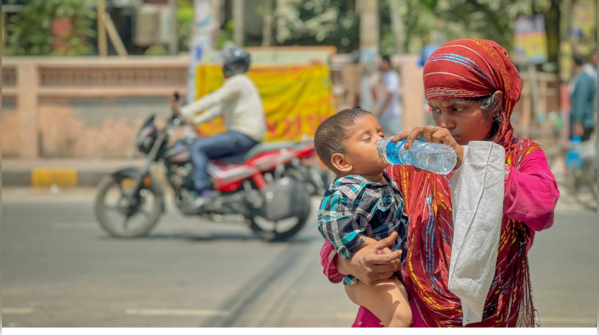
Rising heatwaves and dehydration risks in India
There was a time when summer in India meant mangoes, afternoon naps, and crowded lemonade stalls. But in recent years, summer has started to feel harsher, longer, and far more dangerous. Across cities and villages alike, heatwaves are arriving earlier and staying longer. Temperatures in several states regularly cross 45°C, pushing the human body beyond its comfort zone and, in many cases, beyond its limits.
From Delhi’s burning roads to Telangana’s dry winds and Rajasthan’s blistering afternoons, the heat is no longer just an inconvenience. It has quietly become a public health crisis. Hospitals across the country report increasing cases of dehydration, heat exhaustion, kidney stress, and heatstroke every summer. What makes the situation more worrying is that many people still underestimate how deeply extreme heat affects the body.
According to the India Meteorological Department’s official heatwave guidelines, prolonged exposure to extreme temperatures can severely impact human health, especially among vulnerable groups such as children, senior citizens, and outdoor workers.
As environmental changes intensify and urban spaces continue to trap heat through concrete expansion and pollution, India’s summers are becoming more unforgiving with every passing year.
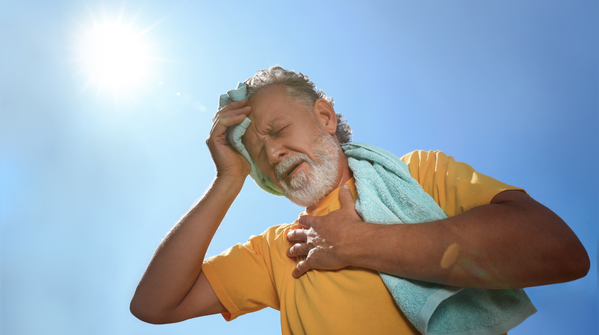
What heatwaves really do to the human body
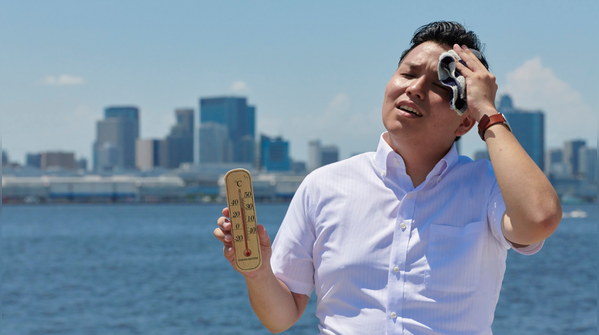
A heatwave is not just about feeling uncomfortable in the sun. It is a condition where temperatures remain unusually high for several days, often accompanied by hot winds and low moisture in the air. During such periods, the body struggles to maintain its normal internal temperature.
The human body cools itself mainly through sweating. Sweat evaporates from the skin and helps lower body temperature. But when temperatures become extreme, especially in humid conditions, this cooling system starts failing. The body loses large amounts of water and essential minerals like sodium and potassium. Blood circulation becomes strained. The heart works harder. The brain begins to feel the pressure.
This is where dehydration begins.
At first, the signs appear ordinary. Dry mouth. Headaches. Tiredness. Dizziness after standing up. But dehydration can escalate quickly in extreme heat. Once the body loses too much fluid, it becomes difficult to regulate temperature, leading to heat exhaustion and, in severe cases, heatstroke.
The National Disaster Management Authority has repeatedly highlighted that heatstroke is a medical emergency and can lead to organ failure if not treated immediately.
Dr Vikram Nalgonda, Consultant & HOD - Emergency Medicine, Gleneagles AWARE Hospital, LB Nagar, Hyderabad, explains, “During extreme heat exposure, the body loses fluids and electrolytes rapidly through sweating. If this loss is not replaced adequately, dehydration can develop quickly and may progress to heat exhaustion or even life-threatening heatstroke. Early symptoms like fatigue, dizziness, headache, and reduced urination should never be ignored.”
The danger often lies in how silently dehydration develops. Many people continue working, travelling, or exercising without realising their body is already under stress.
Why children and older adults suffer the most
Heat does not affect everybody equally. Some groups face far greater risks because their bodies cannot adapt to temperature changes efficiently.
Children are among the most vulnerable. Their bodies heat up faster than adults, and they lose fluids more quickly. Many children continue playing outdoors despite feeling thirsty or tired. In several parts of India, schools have either reduced timings or announced temporary closures during severe heatwave conditions in recent years.
Pediatricians often report spikes in vomiting, weakness, fever, irritability, and dehydration during peak summer months. In crowded urban areas, the situation becomes even harder because many homes lack proper ventilation or cooling facilities.
Parents are increasingly being advised to rethink how children spend summer afternoons. A simple cricket match under direct sunlight at 2 PM can sometimes become medically risky.
Senior citizens face a different kind of danger. Ageing naturally reduces the body’s ability to regulate temperature. Older adults may not feel thirsty even when their body desperately needs fluids. Existing illnesses such as diabetes, hypertension, and heart disease further complicate the situation.
Some medicines prescribed for blood pressure or kidney problems also increase fluid loss. As a result, dehydration in elderly individuals can quickly trigger confusion, weakness, low blood pressure, and kidney-related complications.
There is also an emotional side to this crisis that often goes unnoticed. Many elderly people living alone hesitate to ask for help even during dangerous weather conditions. Heatwaves, in such cases, become not just a health challenge but also a social one.
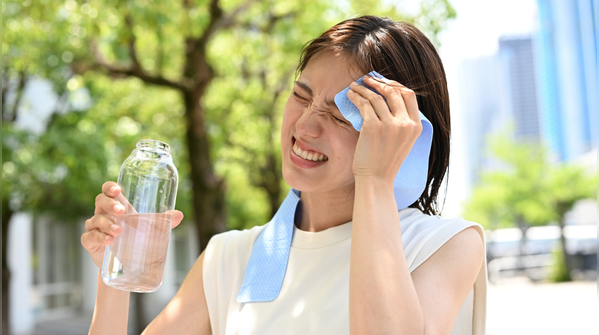
The invisible burden carried by outdoor workers
For millions of Indians, staying indoors during a heatwave is simply not an option.
Construction workers continue lifting heavy material under direct sunlight. Farmers spend hours in open fields. Traffic police stand on burning roads surrounded by vehicle heat and pollution. Delivery workers move constantly through crowded streets, often without enough access to water or rest.
The body loses fluids rapidly during physical labour in extreme heat. Sweat-soaked clothes, exhaustion, and dizziness become common. But financial pressures force many workers to continue despite visible symptoms of dehydration.
Heat exposure also affects concentration and reaction time, increasing the chances of accidents at workplaces and on roads.
Dr Vikram Nalgonda notes, “Outdoor workers are among the highest-risk groups during heatwaves because of prolonged sun exposure and continuous physical activity. Lack of hydration, delayed breaks, and high humidity levels can severely affect the body’s cooling mechanisms.”
There is a difficult irony here. The people who help cities function during extreme weather are often the least protected from it.
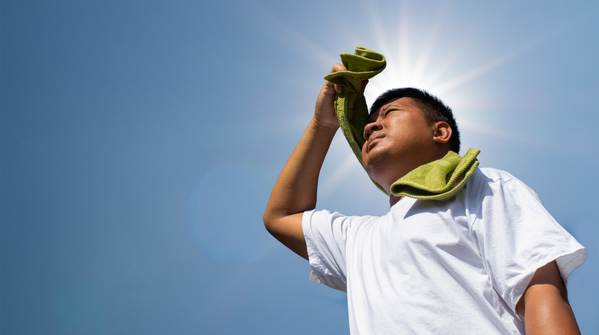
Can dehydration be prevented? Yes, but awareness matters
One of the biggest misconceptions about dehydration is that drinking water only when thirsty is enough. In reality, thirst itself can be a delayed signal.
Health experts recommend regular fluid intake throughout the day during heatwave periods, even if a person does not feel intensely thirsty. Oral Rehydration Solutions (ORS), coconut water, lemon water, and fruits with high water content like watermelon and cucumber help replenish lost fluids and minerals.
But hydration is not only about water. Food habits matter too.
Heavy oily meals increase metabolic heat in the body, while excessive caffeine and alcohol worsen fluid loss. Loose cotton clothing, shaded environments, and avoiding outdoor activity during peak afternoon hours can significantly reduce heat stress.
India has also started responding more actively through Heat Action Plans in several states. These plans include public alerts, emergency medical preparedness, drinking water access, and awareness campaigns.
Because the truth is simple: heatwaves are no longer rare events. They are becoming part of everyday life.

The heat outside reflects a bigger warning
India’s rising heatwaves are not just seasonal headlines anymore. They are signals of a changing climate and a changing public health reality. Dehydration may sound like a minor issue at first, but under extreme heat, it can spiral into life-threatening conditions within hours.
Children collapsing from exhaustion, elderly individuals struggling alone indoors, and workers continuing shifts under burning skies reflect how unequal the burden of heat can be.
But awareness still remains one of the strongest forms of protection. Recognising early symptoms, staying hydrated, checking on vulnerable family members, and respecting weather warnings can save lives.
The challenge ahead is not only about surviving hotter summers. It is about preparing communities, cities, and healthcare systems for a future where extreme heat may become the norm rather than the exception.

Medical experts consulted
This article includes expert inputs shared with TOI Health by:
Dr Vikram Nalgonda, Consultant & HOD - Emergency Medicine, Gleneagles AWARE Hospital, LB Nagar, Hyderabad.
Inputs were used to explain how rising heatwaves are increasing dehydration risks across India and why timely hydration, heat protection, and medical awareness are becoming essential during extreme summer conditions.
Featured In Health

