
- News
- Health News
- It’s not just salt anymore: Why your stressful 10-hour workday could be pushing your blood pressure higher
It’s not just salt anymore: Why your stressful 10-hour workday could be pushing your blood pressure higher

Work stress and blood pressure
For years, salt has carried most of the blame for high blood pressure. People stopped adding extra salt to meals, switched to “low sodium” snacks, and checked food labels carefully. Yet hypertension continues to rise, especially among working professionals who are spending longer hours at desks, in meetings, and glued to screens.
The modern workday has quietly changed the way the human body functions. What once ended at 6 PM now stretches into late-night emails, weekend calls, and endless notifications. Many people are eating healthier than before, but sleeping less, moving less, and worrying more. Doctors now say that chronic work stress may be doing more damage to blood pressure than the salt shaker sitting on the dining table.
A growing body of global research is beginning to support this shift. According to a joint study by the World Health Organization and International Labour Organization, working 55 hours or more a week is linked to a significantly higher risk of stroke and heart disease.

The body was never designed for constant stress
The human body handles short bursts of stress well. It reacts, adapts, and recovers. The problem begins when stress never leaves.
Dr Sanjeev Chaudhary, Chairman, Cardiology, Marengo Asia Hospitals, Gurugram, explains, “Long working hours, constant deadlines, poor sleep, digital overstimulation, and lack of recovery time keep the body in a prolonged ‘fight-or-flight’ state. This leads to sustained activation of the sympathetic nervous system and elevated cortisol levels, both of which directly increase blood pressure.”
In simpler words, the body stays alert all the time. The heart beats faster. Blood vessels tighten. Stress hormones remain active for hours. Over months and years, this pressure slowly becomes the new normal.
What makes this dangerous is that many people do not “feel” sick. They attend meetings, hit deadlines, and continue daily routines while their blood pressure quietly rises in the background.
The WHO-ILO analysis estimated that long working hours contributed to nearly 745,000 deaths globally from stroke and heart disease in a single year.

The silent damage of sitting for too long
Most office workers do not spend 10 hours lifting heavy objects or running around. They spend it sitting.
That still affects the heart.
Dr Surendra Nath Khanna, Chairperson, Adult Cardiac Surgery & Heart-Lung Transplant, Artemis Hospitals, says, “When you work long hours your body is always in a state of stress. This results in the secretion of stress hormones such as cortisol and adrenaline that trigger vasoconstriction which is constriction of the blood vessels.”
He further explains that prolonged sitting reduces blood circulation, increases the risk of weight gain, and raises the chances of insulin resistance — all of which are strongly connected to hypertension.
There is also a hidden behavioural pattern behind long workdays. People order quick meals, skip exercise, snack mindlessly during calls, and rely on caffeine to survive the afternoon slump. By night, exhaustion replaces any motivation to walk, stretch, or unwind properly.
The result is not just physical fatigue. It becomes a cardiovascular problem.
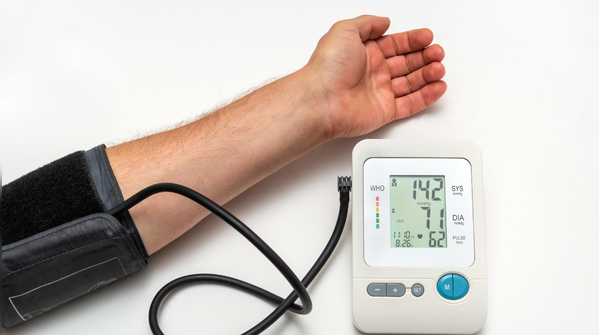
Sleep loss is becoming a blood pressure trigger
Many professionals proudly function on five hours of sleep. The body, however, keeps count.
Research now shows that sleeping less than six to seven hours regularly can interfere with the body’s natural blood pressure regulation. During healthy sleep, blood pressure normally dips and the heart gets recovery time. Without enough rest, the nervous system remains overactive.
Dr Khanna notes, “Less than 6 to 7 hours of sleep can disrupt circadian rhythms and impair blood pressure regulation resulting in nocturnal hypertension.”
Late-night scrolling, replying to office chats after midnight, and waking up anxious about the next day may appear harmless, but they gradually disturb the body’s internal clock.
This is why many younger adults are now being diagnosed with hypertension earlier than previous generations. It is no longer only an age-related condition.

Why salt alone cannot be the villain anymore
Salt still matters. Excess sodium remains a well-established risk factor for hypertension. But doctors say focusing only on food ignores the larger lifestyle crisis unfolding around modern work culture.
Dr Chaudhary says, “Sometimes, the most powerful antihypertensive intervention is not only what’s removed from the plate — but what’s removed from the schedule.”
That sentence reflects a major shift in how hypertension is being understood today.
A person cannot “eat healthy” enough to fully cancel out chronic stress, burnout, lack of movement, emotional exhaustion, and poor sleep. The body does not separate mental stress from physical strain. It responds to both.
Even globally, experts are warning governments and employers about the health risks of excessive working hours. The WHO has called working 55 or more hours a week “a serious health hazard.”
The conversation around blood pressure now needs to move beyond kitchen habits and into office culture, screen boundaries, and recovery time.
Small changes that actually help
The good news is that the body responds surprisingly well to small corrections.
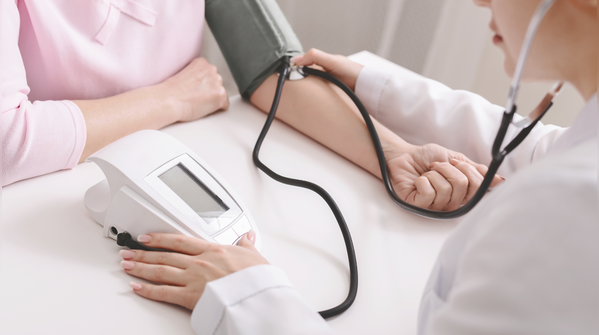
Taking short walking breaks during work hours, stretching between meetings, reducing after-hours screen exposure, sleeping on time, and checking blood pressure regularly can make a meaningful difference over time.
Stress management is no longer a luxury activity reserved for weekends. It is becoming a basic heart-protection habit.
Modern work culture may reward overworking, but the human body rarely does.
Medical experts consulted
This article includes expert inputs shared with TOI Health by:
Dr Sanjeev Chaudhary, Chairman, Cardiology, Marengo Asia Hospitals, Gurugram.
Dr Surendra Nath Khanna, Chairperson, Adult Cardiac Surgery & Heart - Lung Transplant, Artemis Hospitals.
Inputs were used to explain how long working hours, chronic stress, poor sleep, and a sedentary lifestyle are emerging as major contributors to high blood pressure, often posing a greater risk than excess salt intake alone.
Featured In Health

