
- News
- Health News
- Not getting enough protein? Doctors warn of impact on body and brain, and suggest 6 ways to boost absorption
Not getting enough protein? Doctors warn of impact on body and brain, and suggest 6 ways to boost absorption
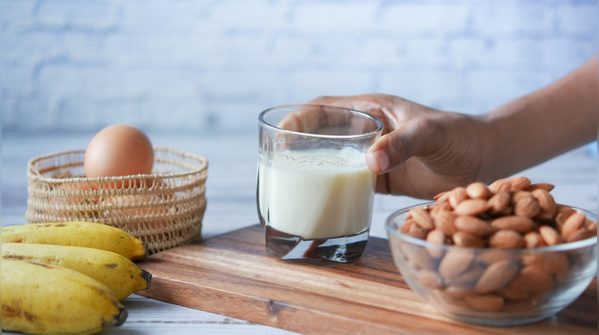
The hidden impact of low protein on body and brain
Protein is often linked with muscles, gym routines, and fitness goals. But its role runs much deeper. Every cell in the body depends on protein to grow, repair, and function well. When the body does not get enough of it, the impact shows quietly at first, then more clearly over time.
From slower growth in children to poor focus in adults, protein deficiency can affect both the body and the brain in ways many people do not notice early. The concern is not just about how much protein is eaten, but also how well the body absorbs it.

Why protein is more than just a “fitness nutrient”
Protein is made up of amino acids. These are the building blocks for muscles, hormones, enzymes, and even brain chemicals. Without enough protein, the body struggles to maintain basic functions.
Dr Pradyut Ranjan Bhuyan, Sr Consultant - Neurology, Manipal Hospital Bhubaneshwar, explains, “Protein deficiency doesn’t just affect physical growth, it has a direct and lasting impact on brain structure and function.”
This means protein is not optional. It is essential for survival, development, and daily performance.

What happens when your body lacks protein
A protein-deficient body often sends subtle signals before major problems appear. These signs can be easy to ignore.
Some early effects include:
Constant tiredness despite rest
Hair thinning and brittle nails
Slow wound healing
Frequent infections
But deeper inside, the damage can be more serious. Muscle loss begins. Immunity weakens. The body enters a conservation mode, slowing down many processes. In severe cases, especially in children, it can lead to stunted growth and long-term health issues.

The brain feels the deficiency first
The brain is one of the most energy-demanding organs. It relies heavily on amino acids to produce neurotransmitters.
Dr Bhuyan notes, “Proteins supply essential amino acids that are critical for the production of neurotransmitters such as dopamine, serotonin, and norepinephrine.”
These chemicals control mood, focus, sleep, and memory. When protein intake drops, their production suffers.
He adds, “Inadequate protein intake during key developmental stages can impair synapse formation, slow down myelination, and reduce brain plasticity.”
In simple terms, the brain becomes slower to learn, adapt, and respond.

How protein deficiency affects daily life
The effects are not always dramatic, but they build up over time.
In children, it may show as:
Delayed learning
Poor attention span
Lower academic performance
In adults, the signs look different:
Brain fog
Mood swings
Low motivation
Dr Bhuyan explains, “In adults, it can contribute to fatigue, brain fog, and even mood disturbances.”
Dr Ramesh Patail, Consultant - Neurology, Manipal Hospital Hebbal, adds, “Protein deficiency can lead to reduced brain development, decreased memory power, and mood swings.”
These are not just lifestyle issues. They often reflect deeper nutritional gaps.
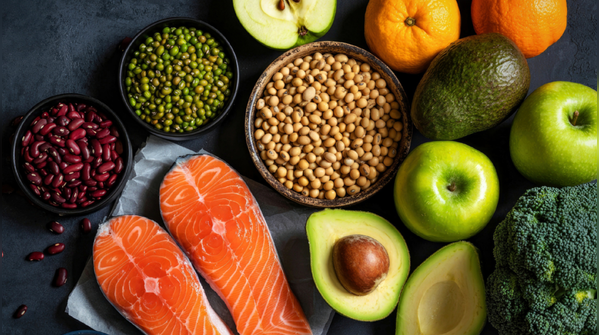
What research and Indian data suggest
Protein deficiency remains a concern in India, especially among children and women.
According to the National Family Health Survey (NFHS-5) by the Government of India, a significant percentage of children show signs of undernutrition, including stunting and wasting, both linked to poor protein intake.
The Indian Council of Medical Research (ICMR) also provides dietary guidelines highlighting protein needs across age groups.
These reports underline a simple fact: many diets are calorie-rich but protein-poor.
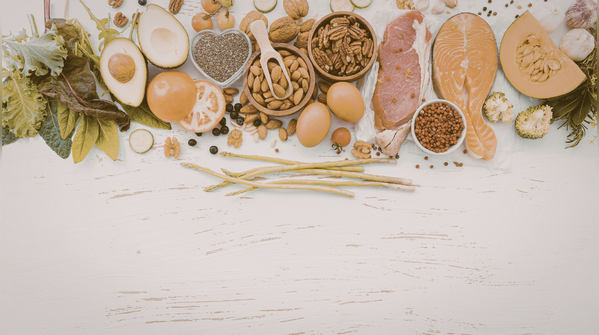
6 doctor-recommended ways to improve protein absorption
Eating protein is one part of the story. Absorbing it well is equally important.
Dr Patail shares practical steps that can make a real difference:
1. Choose the right protein sources
Include foods like curd, buttermilk, eggs, fish, beans, and peas regularly. Even one good serving daily helps.
2. Pair protein with vitamin B6-rich foods
Dr. Bhuyan suggests combining proteins with foods like bananas, spinach, and chickpeas to improve absorption.
3. Add enzyme-rich fruits
Papaya and pineapple contain natural enzymes that help break down protein and aid digestion.
4. Keep your gut healthy
A balanced gut improves nutrient absorption. Fermented foods like curd can support this.
5. Spread protein intake across meals
Instead of eating all protein in one meal, distribute it through breakfast, lunch, and dinner for better use by the body.
6. Stay hydrated and seek expert advice
Water helps digestion. If needed, consult a doctor before taking supplements like serotonin, dopamine, or GABA-related support.
Dr Bhuyan sums it up well: “Improving protein absorption is just as important as increasing intake.”
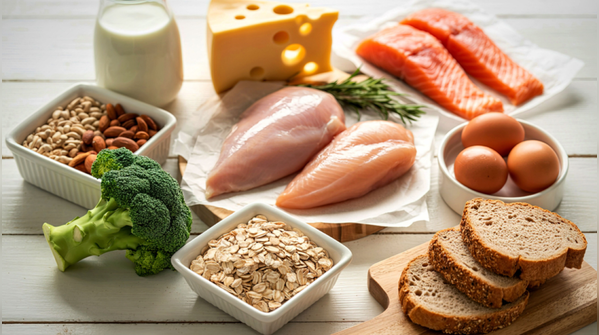
Can protein deficiency be prevented easily?
Yes, but it requires awareness. Many people eat enough food but not the right kind.
A simple shift helps:
Add a protein source to every meal
Avoid skipping meals
Focus on variety instead of repetition
A well-balanced plate often solves half the problem. The rest depends on consistency.
Medical experts consulted
This article includes expert inputs shared with TOI Health by:
Dr Pradyut Ranjan Bhuyan, Sr Consultant - Neurology, Manipal Hospital Bhubaneshwar.
Dr Ramesh Patail, Consultant - Neurology, Manipal Hospital Hebbal.
Inputs were used to explain how protein deficiency can affect the body and brain, and to highlight doctor-recommended ways to improve protein absorption for better overall health.
Featured In Health

