
- News
- Health News
- Study reveals nearly 40% of cancers may be preventable; doctor explains how everyday habits are raising the risk
Study reveals nearly 40% of cancers may be preventable; doctor explains how everyday habits are raising the risk

Cancer risks that we ignore daily
Cancer is often spoken about in whispers. For years, many people believed it was mostly a matter of bad luck, genetics, or ageing. But growing scientific evidence is changing that belief. A study published in Nature Medicine found that nearly 40% of cancer cases and about half of cancer-related deaths in adults may be linked to preventable risk factors. Smoking remains the leading cause, but daily lifestyle habits are now quietly becoming an equally dangerous force.
What makes this reality more unsettling is how ordinary these habits look. Skipping sleep to finish work. Sitting for long hours. Ordering processed food because there is no time to cook. Ignoring stress because it feels “normal.” These routines rarely seem harmful at the moment, but over years, they slowly alter the body in ways that can increase cancer risk.
According to the World Health Organization’s cancer prevention findings, tobacco use, obesity, alcohol consumption, unhealthy diets, physical inactivity, and air pollution are among the biggest preventable contributors to cancer worldwide. India, too, is witnessing a steady rise in lifestyle-related cancers.

Cancer is no longer only linked to old age
For decades, cancer was commonly associated with elderly populations. That picture is rapidly changing. Doctors are now seeing younger adults diagnosed with cancers that were once considered uncommon before the age of 50.
Dr Anindya Mukherjee, Senior Consultant - Medical Oncology, Shardacare-Healthcity, explains that lifestyle patterns have changed dramatically in recent years.
“A large-scale international study has underlined the key point that almost 40% of all cancers could be avoided by adopting a healthier lifestyle and avoiding some risk factors. Now cancer is not just associated with the genes or old age. Smoking, drinking, obesity, poor nutrition, lack of exercise, exposure to pollution and chronic stress are all little-known everyday risk factors that can raise cancer rates in people of all ages.”
Modern life has normalised unhealthy behaviour. Long office hours, constant screen exposure, irregular sleep schedules, rising stress, and dependence on processed food have become part of everyday living. Many people may not realise that the body remembers these patterns.
Research from the National Cancer Institute (US) on obesity and cancer risk states that excess body fat is linked to several cancers, including breast, colorectal, uterine, kidney, liver, and pancreatic cancers.
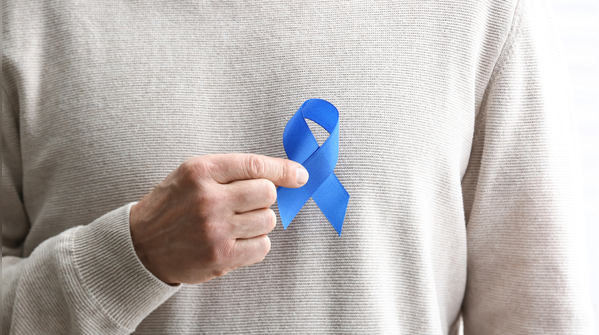
The body reacts to lifestyle choices more than people realise
One unhealthy meal or one sleepless night will not cause cancer. The danger lies in repetition.
The body is constantly repairing itself. But when it faces continuous stress from unhealthy habits, inflammation begins to build. Over time, this can damage healthy cells and affect how they grow and divide.
Dr Mukherjee says lifestyle habits are becoming a larger influence than before.
“The lives of people have been completely different over the last few decades. Spending too much time sitting, sedentary lifestyle, consumption of processed food, lack of sleep, increasing obesity and excessive alcohol consumption are common habits among younger adults. These habits aggravate inflammation in the body, and can, over time, harm the healthy cells and lead to the development of cancer.”
This slow inflammation is often invisible. People may feel tired, gain weight, struggle with digestion, or experience poor sleep without connecting it to long-term disease risk.
Scientists have repeatedly observed that chronic inflammation creates an environment where damaged cells can survive instead of dying naturally. Over years, these damaged cells may develop into cancer.

Tobacco and pollution remain silent threats
Despite growing awareness, tobacco remains one of the biggest preventable causes of cancer globally. Smoking does not only affect the lungs. It is linked to cancers of the mouth, throat, pancreas, bladder, stomach, kidney, cervix, and more.
Passive smoking is equally dangerous, especially for children and family members living with smokers.
Dr Mukherjee points out, “Obesity is now clearly associated with several types of cancer: breast, colon, liver and uterine. Likewise, tobacco is one of the major preventable cancer causing agents in India and globally. Risk can also be raised by passive smoking.”
Air pollution has now emerged as another major concern, especially in urban India. Tiny pollutant particles enter deep into the lungs and bloodstream every day. The long-term effects are becoming increasingly difficult to ignore.
Dr Mukherjee adds, “Air pollution is also an emerging problem. Continuous exposure to polluted air may increase the risk of lung cancer and respiratory diseases, especially in urban areas.”
For many people, pollution exposure is unavoidable. But reducing other risks such as smoking, poor diet, and inactivity can still significantly lower the overall burden on the body.

Why early detection still saves lives
One of the biggest reasons cancer becomes deadly is delayed diagnosis. Many symptoms are ignored because they seem minor at first.
Unexplained weight loss, unusual bleeding, constant fatigue, persistent cough, bowel changes, or lumps are often dismissed until the disease progresses.
Dr Mukherjee stresses the importance of paying attention to these early warning signs.
“Late diagnosis is one of the greatest obstacles in cancer treatment. Early detection can improve the treatment for many cancers. People tend not to notice the signs, which may include weight loss, abnormal bleeding, coughing that doesn't go away, tiredness, irregular bowel movements, or body lumps.”
Screening and regular health check-ups are still underused in India. Many people only seek medical help after symptoms become severe.
Dr Mukherjee further explains, “Health check-ups, cancer screening, and awareness of family history can help identify potential risk early. Prevention is not just about staying free from disease, it's about enhancing the quality of life.”

Prevention begins long before illness appears
Cancer prevention is often imagined as something extreme or difficult. In reality, it is built through ordinary daily choices repeated consistently over years.
Choosing home-cooked meals more often. Walking regularly. Sleeping properly. Managing stress before it becomes chronic. Avoiding tobacco. Limiting alcohol. These habits may sound simple, but their long-term impact can be profound.
Dr Mukherjee says prevention should begin early in life.
“Not all preventive measures for cancer are drastic ones. There are simple things that can be done daily that can make a difference in reducing risk over time. Some of the best preventative measures include a healthy body weight, regular exercise, eating fresh fruits and vegetables, avoiding tobacco, limiting alcohol use, managing stress and getting a good night's sleep.”
He further adds, “All people should also know that prevention begins at a young age. Adopting healthy habits as a child and young adult is the most important factor in lifelong health.”
Perhaps the most important lesson from current research is this: prevention is not perfection. No one can avoid every risk. But small healthy choices, made consistently, can quietly change the direction of long-term health.
Dr Mukherjee concludes, “Although not all cancers are preventable, by reducing the cancer risk factors associated with lifestyle habits the overall cancer burden can be significantly reduced. Among the best weapons we have in the battle against cancer is awareness, early screening and healthy living.”
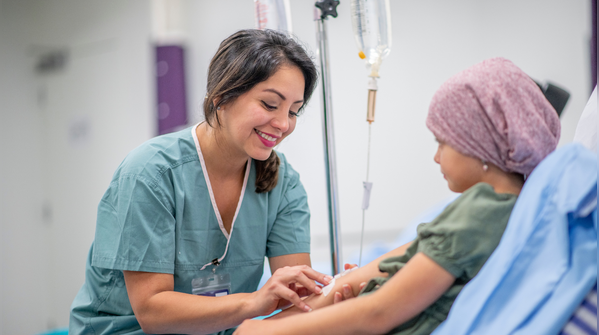
Medical experts consulted
This article includes expert inputs shared with TOI Health by:
Dr Anindya Mukherjee, Senior Consultant - (Medical Oncology), Shardacare- Healthcity.
Inputs were used to explain how everyday lifestyle habits such as smoking, poor diet, obesity, lack of exercise, stress, alcohol consumption, and pollution are contributing to rising cancer risk, and why early screening and healthier choices may help prevent nearly 40% of cancer cases.
Featured In Health

