
- News
- Health News
- Why you feel bloated even without overeating: Hidden gut triggers, digestion mistakes, and simple daily habits to relieve bloating fast
Why you feel bloated even without overeating: Hidden gut triggers, digestion mistakes, and simple daily habits to relieve bloating fast
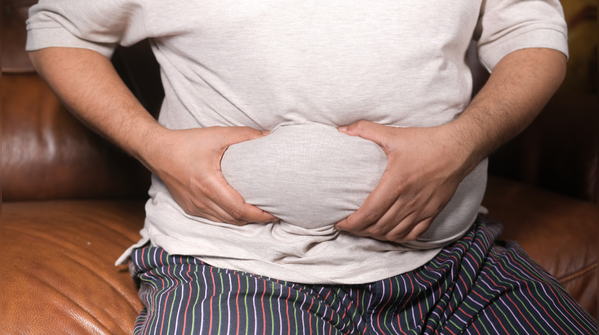
Why you feel bloated even without overeating
Bloating is generally blamed on heavy meals. But that is not always true. Many people feel full, tight, or gassy even after eating small portions. The discomfort lingers. Clothes feel tighter. Energy dips.
So what is really happening inside the gut?
The answer is not just about how much you eat. It is about how your body processes it. Digestion is a slow, layered process. And even small disruptions can make the gut feel overloaded.

When the gut reacts, not the stomach
The stomach may not be full. But the gut can still be irritated.
This happens when certain foods are not fully digested. They travel to the large intestine. There, bacteria break them down. Gas forms as a result.
This is where FODMAP foods come in. These are fermentable carbohydrates. They are found in onions, garlic, beans, and even some fruits.
Constant urge to pee but little output? A urologist explains what your body might be telling you
According to National Institute of Diabetes and Digestive and Kidney Diseases, poorly absorbed carbs can lead to gas, bloating, and discomfort.
The portion may be small. But the reaction can be big.

Eating habits matter more than you think
The way food is eaten shapes digestion. Fast eating is one of the biggest triggers. It introduces excess air into the gut. It also reduces proper chewing. Larger food particles reach the intestine. That slows digestion.
Skipping water adds to the problem. The gut needs fluid to move food smoothly. Without it, digestion becomes sluggish.
Dr Prasanna K S explains it clearly, “Bloating isn't just about overeating; hidden gut triggers can play a big role. Food intolerances, stress, and an imbalance of gut bacteria can cause discomfort. Eating too fast, not drinking enough water, or consuming processed foods disrupt digestion…”

Stress sits in the gut, quietly
Stress does not stay in the mind. It moves into the body. The gut and brain are closely linked. When stress rises, digestion slows. Muscles in the intestine tighten or become irregular. Gas builds up more easily. This is why bloating often appears on stressful days. Even when meals are light.
A report by National Institutes of Health highlights how stress alters gut movement and sensitivity.

Your gut bacteria may be out of balance
The gut is home to trillions of bacteria. Some help digestion. Others can create problems if they grow too much.
An imbalance in this ecosystem is called dysbiosis. It leads to excess gas, slow digestion, and bloating.
Processed foods and low-fiber diets disturb this balance. So do antibiotics and irregular eating patterns.
Dr Prasanna adds, “…an imbalance of gut bacteria can cause discomfort… These habits can lead to gas buildup, slow digestion, and a feeling of being uncomfortably full.”

Movement is a natural digestive aid
The body is designed to move. The gut depends on it.
Lack of physical activity slows intestinal movement. Food stays longer in the digestive tract. Gas builds up.
Even light walking can help. It stimulates the intestines. It pushes gas through.
The World Health Organization recommends regular movement to support overall health, including digestion. Sometimes, relief begins with a simple walk.
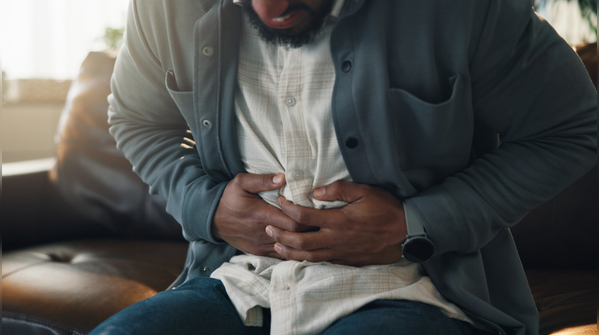
Small daily shifts that actually work
Relief does not come from drastic changes. It comes from consistent, small habits.
Dr Prasanna K S suggests practical steps:
Add probiotic foods like yogurt or kefir
Eat slowly and chew properly
Stay hydrated through the day
Reduce carbonated drinks and artificial sweeteners
Track foods in a food-symptom diary
Manage stress with simple relaxation techniques
Stay physically active
He also notes, “By identifying and addressing these underlying factors… people can find relief from bloating and improve their digestive health.”

When to take bloating seriously
Most bloating is harmless. But not always.
Watch for warning signs:
Unexplained weight loss
Persistent constipation or vomiting
Blood in stools
Symptoms after age 50
Dr Prasanna advises, “Consult a gastroenterologist if you have additional symptoms… especially if you are above 50 years of age.”
The body often signals when something deeper needs attention.
Medical experts consulted
This article includes expert inputs shared with TOI Health by:
Dr Prasanna K S, Consultant - Medical Gastroenterology, Manipal Hospital Old Airport Road.
Inputs were used to explain how bloating can occur even without overeating due to hidden gut triggers, and why simple daily habits can help improve digestion and reduce discomfort effectively.
Featured In Health

