
- News
- Health News
- Your feet might look normal, but there are hidden signs which indicate severe damage and disease: How to recognise them
Your feet might look normal, but there are hidden signs which indicate severe damage and disease: How to recognise them

What is our feet hiding from us?
Our feet are often an ignored part of our body. They mostly stay comfy inside our shoes and rarely complain. But they observe everything. A slight colour change. A dull ache after walking. A strange numbness at night. These are not random. The body leaves clues, and the feet are one of its most honest messengers.

Why feet reveal more than you think
The feet sit at the far end of blood flow. They depend on healthy nerves, strong circulation, and stable hormones. This makes them sensitive to early damage.
Dr Pramod V. Satya explains, “In many cases, systemic diseases affecting the heart, kidneys, and hormonal systems—such as diabetes and thyroid disorders—can first be detected through changes in the feet.”
This is why doctors often check feet during routine exams. Not out of habit, but because they speak early.
A report published in NIH highlights how non-communicable diseases like diabetes and heart disease often go unnoticed until complications appear, including foot-related issues.
When blood flow starts to fail
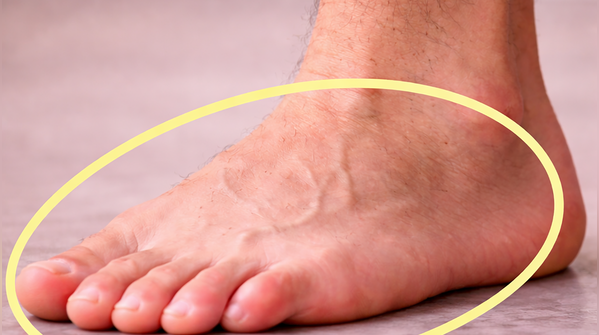
Good circulation keeps feet warm, pink, and active. Poor circulation changes everything. Dr Satya notes that vascular health plays a key role. Blood must travel freely through arteries and veins.
In arterial problems, the early sign is subtle. Pain begins only after walking. It fades when the body rests. This is not fatigue. It is a warning. This condition is often linked to peripheral artery disease. Ignoring this stage allows silent damage to grow.
Swelling, heaviness, and tired legs
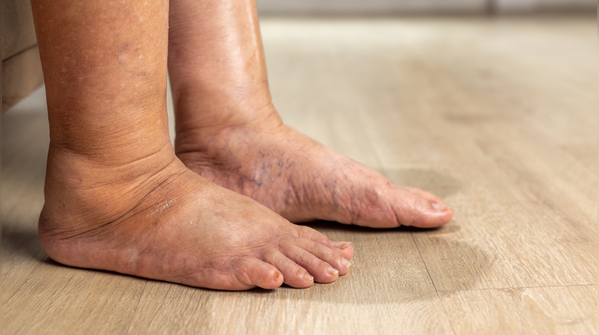
Not all circulation issues feel the same. Venous problems show up differently. Legs may swell after standing too long. Ankles feel heavy. Mild cramps may come and go.
Dr Satya explains that venous insufficiency, including varicose veins, often presents this way. This may seem harmless after a long day. But repeated swelling is not normal.
The NIH has discussed how chronic venous disorders can progress slowly, often ignored until complications develop.
Numbness that feels like nothing, but means everything
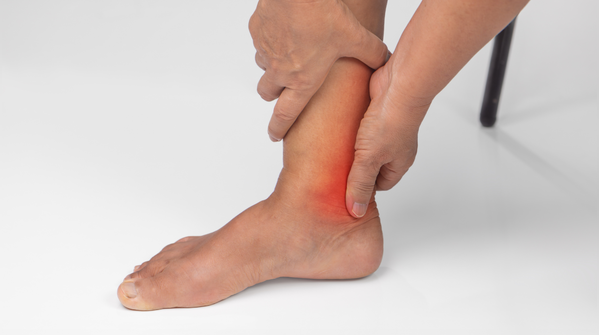
Loss of sensation is one of the most dangerous signs. It starts quietly. A tingling feeling. A slight burning. A “pins and needles” sensation. Then comes numbness.
Dr Satya says, “Diabetic neuropathy often begins subtly, with symptoms such as numbness, tingling, burning, or a pricking sensation in the feet.”
This is where risk rises sharply. Because when feet cannot feel, injuries go unnoticed.
The Indian Journal of Endocrinology and Metabolism notes that diabetic complications, especially neuropathy, are a major cause of foot ulcers and infections in India.
Skin changes that should never be ignored
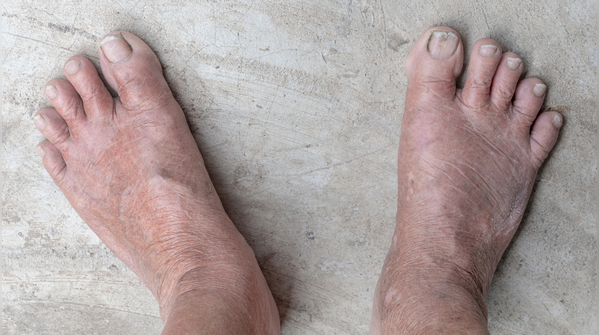
Feet do not change colour without reason. Red patches, dark spots, or blackish skin can signal poor blood flow or nerve damage. Dry, cracked skin may look cosmetic. It is not always.
Dr Satya points out that diabetic patients may show reddish or blackish pigmentation. These are often linked to deeper issues like venous insufficiency or neuropathy.
Even small wounds matter. A tiny cut that does not heal can become serious.

Silent wounds and deeper damage
Some of the most dangerous changes are invisible. A wound that refuses to heal is one sign. Another is repeated infections.
Dr Satya warns, “In more severe cases, small injuries, non-healing wounds, or tropical ulcers may develop.”
But the real concern lies deeper. Conditions like Charcot foot or bone infections can develop quietly. Pain may not be felt at all. By the time swelling or deformity appears, damage may already be advanced. This is why early attention matters more than treatment later.

How to actually recognise these signs early
Recognition is not complex. It just needs attention. Look at the feet once a day. Check colour, shape, and skin. Notice any swelling. Pay attention while walking. Does pain start after a certain distance? Feel the temperature. One foot colder than the other can mean reduced blood flow. Notice sensations at night. Tingling, burning, or numbness should not be dismissed. And most importantly, never ignore a wound that stays beyond a few days.
Dr Satya emphasises, “Visible signs may not appear until the disease has progressed significantly. This highlights the importance of early detection through careful clinical examination.”
Regular check-ups matter, especially for people with diabetes, heart conditions, or thyroid issues.

The quiet message at your feet
Feet do not demand attention. They request it softly. A small sign today can prevent a serious disease tomorrow. The body rarely stays silent without reason. The signs are there. They just need to be seen.
Medical experts consulted
This article includes expert inputs shared with TOI Health by:
Dr Pramod V. Satya, Consultant - Internal Medicine, Manipal Hospital Millers Road.
Inputs were used to explain how feet that appear normal can still show subtle signs of underlying damage or disease, and how recognising these early indicators can help in timely diagnosis and prevention of serious health issues.
Featured In Health

