
10 foods that never expire and why they last almost forever
10 foods that never expire and why they last almost forever
In a world obsessed with freshness and expiry labels, it may sound surprising that some foods can last for decades, even centuries, without spoiling. While most packaged items come with strict “best before” dates, certain natural foods possess unique chemical properties that prevent bacteria, mould and decay from taking hold. These long-lasting staples were once essential for travellers, sailors and ancient civilisations preparing for uncertain times. Today, they remain practical pantry essentials, especially for emergency storage, minimal-waste kitchens and mindful consumption. Here are ten foods known for their extraordinary shelf life and the science behind why they endure.
Honey
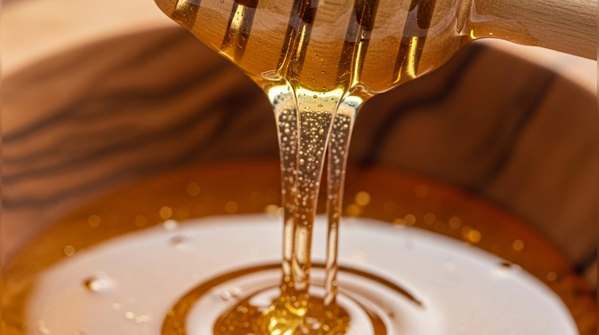
Honey is perhaps the most famous example of a food that never expires. Archaeologists have discovered jars of honey in ancient Egyptian tombs that remain perfectly edible thousands of years later.
Its longevity comes from a powerful combination of low moisture content, high sugar concentration and natural acidity. These conditions create an environment where bacteria simply cannot survive. Over time, honey may crystallise or thicken, but gently warming the jar restores its smooth texture without affecting safety.
White rice
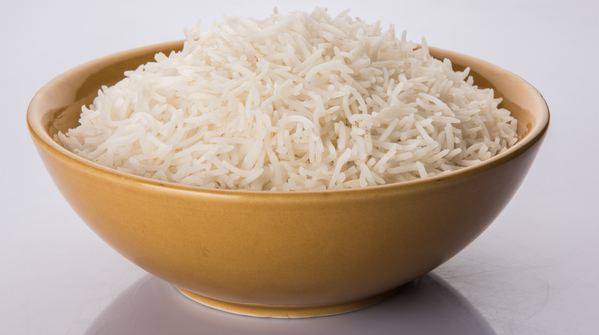
When stored properly in airtight containers away from moisture and pests, white rice can last for decades. Unlike brown rice, which contains natural oils in its bran layer that can turn rancid, white rice has these oils removed during processing.
Because of this, it remains stable for extremely long periods, making it a cornerstone of long-term food storage across cultures.
Salt
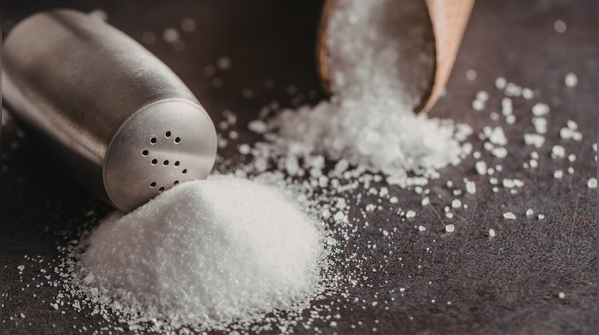
Salt does not spoil, because it is itself a preservative. For centuries, humans used salt to cure meat and preserve vegetables precisely because microorganisms cannot grow in its presence.
Pure salt, whether rock salt or refined table salt, remains chemically unchanged indefinitely. The only issue it may face is clumping due to humidity, which does not affect its usability.
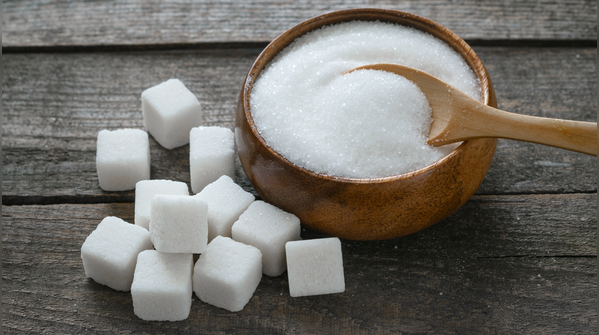
Sugar
Like salt, sugar has an almost unlimited shelf life when kept dry. Its high osmotic pressure prevents microbial growth, which is why sugar has historically been used to preserve fruits in jams and candied preparations.
Granulated white sugar may harden into lumps over time, but breaking them apart restores it completely.
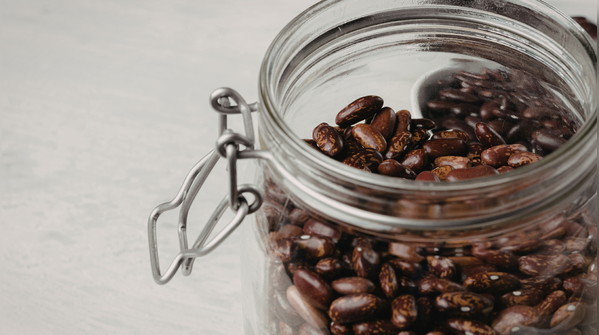
Dried beans
Dried lentils, chickpeas and beans can remain edible for decades if stored in cool, dry conditions. Over time, they may take longer to cook as they lose moisture, but they do not become unsafe.
Their durability made them essential staples in traditional food systems where long storage without refrigeration was necessary.
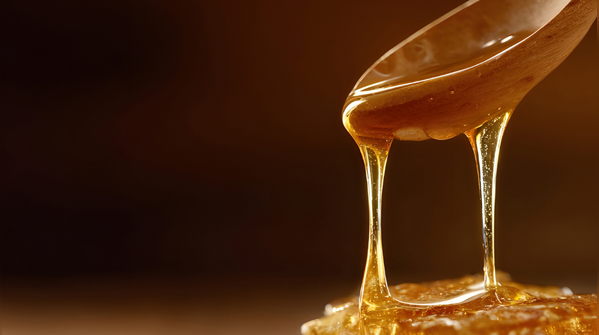
Pure maple syrup
Unopened pure maple syrup can last indefinitely thanks to its high sugar concentration and low water activity. Once opened, refrigeration helps prevent mould growth, but even then, minor surface mould can often be removed safely if caught early.
Its natural preservation qualities explain why it was valued long before modern food processing existed.
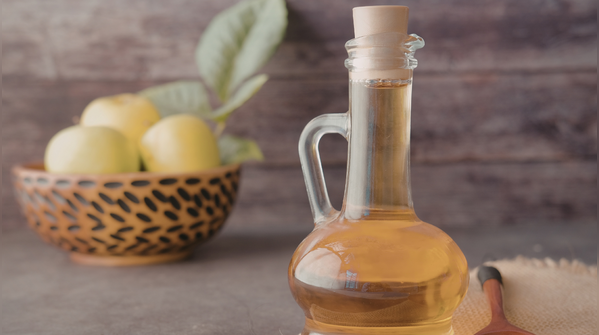
Vinegar
Vinegar’s acidic nature makes it extremely resistant to spoilage. Whether white vinegar or apple cider vinegar, its low pH prevents harmful bacteria from surviving.
Over time, you may notice sediment or cloudiness, sometimes called the “mother”, but this is harmless and often associated with natural fermentation rather than spoilage.
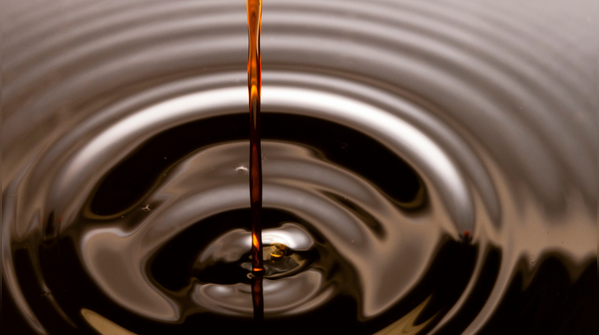
Soy sauce
Traditional soy sauce undergoes fermentation and contains significant salt content, both of which act as natural preservatives. An unopened bottle can last for years without refrigeration.
Even after opening, soy sauce maintains quality for a long time, though flavour intensity may gradually change.
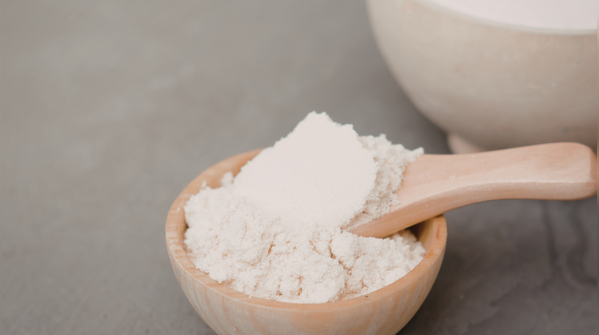
Cornstarch
Cornstarch is another pantry item with an indefinite shelf life when kept dry. Because it contains very little moisture, microorganisms cannot grow easily within it.
Proper storage plays an important role in maintaining its quality over time. Keeping cornstarch sealed in an airtight container away from heat and humidity helps prevent contamination and preserves its fine texture. Many households store it in cool cupboards specifically to extend usability and avoid unnecessary spoilage.
It may develop lumps if exposed to humidity, but this affects texture rather than safety.
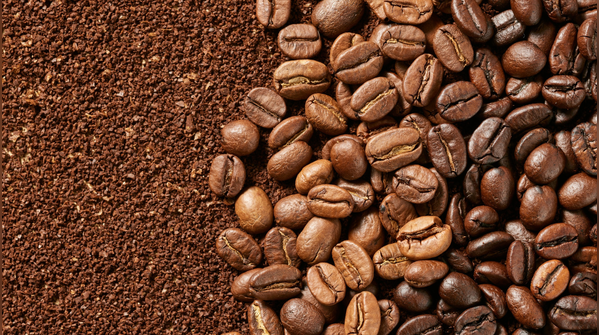
Instant coffee
While freshly brewed coffee loses flavour quickly, instant coffee is remarkably stable. Freeze-drying removes moisture, preventing bacterial growth and allowing it to last for many years if sealed properly.
Though aroma and taste may slowly fade, it remains safe to consume long past its printed date.
Featured In Food

