
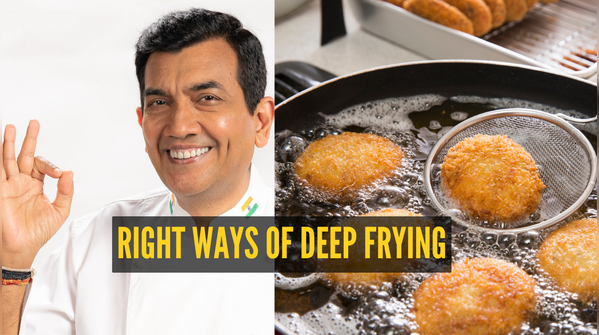
Chef Sanjeev Kapoor shares 10 smart tips and tricks for deep frying for better taste and nutrition
Understanding the art of deep frying
Fried foods are an integral part of regional Indian cuisines. From samosa, kachori, to pakodi and gulab jamun, every cuisine celebrates this cooking technique, where food is fried in a pool of oil until it is crisp and golden in colour. While this technique has a bad reputation of being unhealthy, if done right it can be as good as baked or steamed delight. It is important to understand that deep frying is a technique backed by science and when it is clubbed with the art of cooking, it results in delicious treats. All you need to do is to understand the mechanism and follow the smart tips and tricks. Celebrity chef Sanjeev Kapoor shared a list of 10 smart tips and tricks for deep frying that one can follow and feel the difference. Take a look.
Choose the right oil
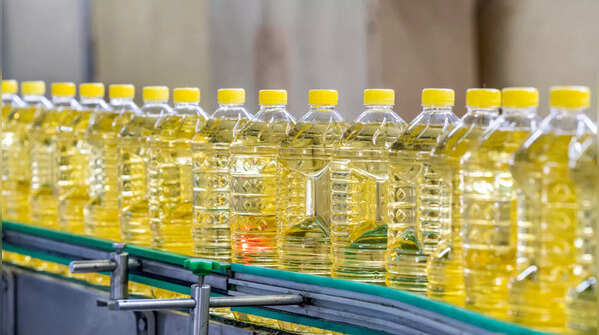
When it comes to deep frying, choosing the right oil makes all the difference. As per chef Sanjeev, oil with a neutral flavour is preferred for frying foods but of course it also depends on what you are frying. In West Bengal, they prefer mustard oil because of the health benefits it has and also because of its high smoking point. Make sure you choose the right oil for your fried food, he states. While using oil, it is important to pay attention that the oil has no strong aroma and pungency as it can hamper the taste of the dish.
Not too hot, not too cold
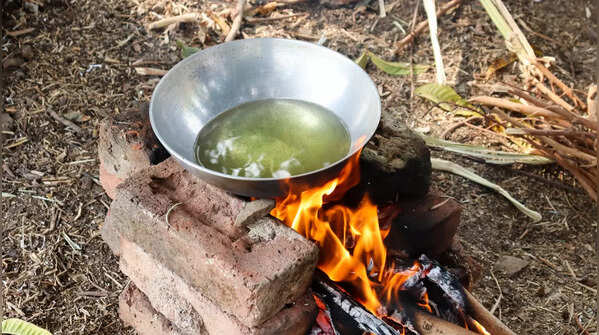
When it comes to deep frying, make sure you heat the oil for frying at just the right temperature. It always depends on the food type too. But generally when you fry food in fuming hot oil, the outer crust gets fried but the inner part remains raw. So, be observant and also, if the oil is not hot enough, the food absorbs a lot of oil and makes the food heavier.
Drain out the excess water
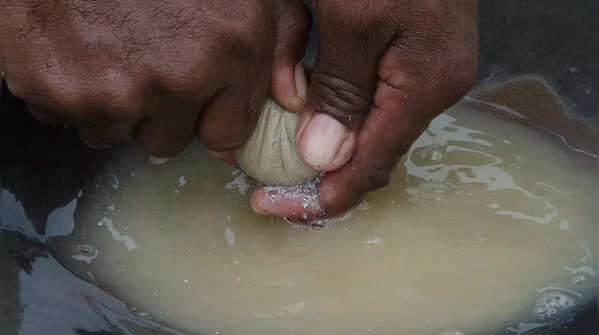
As per his post, when you are soaking something in water before frying, make sure you completely drain off the excess water from it. This is so, because oil and water do not mix well and once you mix, it will start to sputter and can harm the skin. Hence, be very careful with this bit, he warns.
Never overcrowd the pan
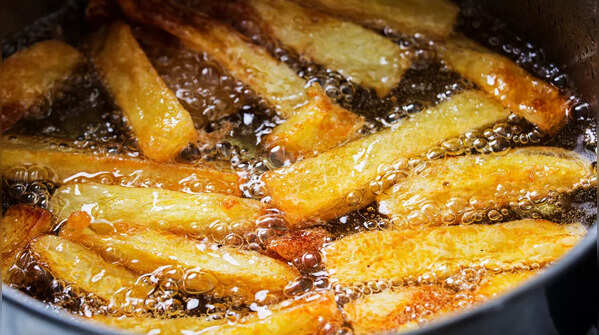
As per chef Sanjeev, make sure you are not frying too many pieces at once. If you overcrowd the pan, the temperature of the pan is not maintained which results in the ingredients being half-cooked. There should be enough space for you to flip the sides too, so that they are fried from both sides equally. As per chef, overcrowding the pan increases the chances of spoiling the dish and it often happens that the dish is not evenly cooked from all sides, which might destroy the experience of enjoying the dish.
How to test the oil temperature?
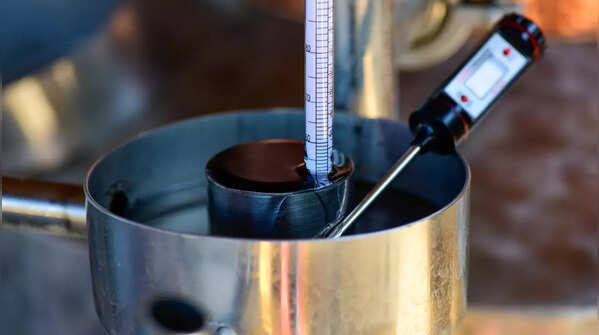
As per Chef Sanjeev, the best technique to check the oil temperature is to take a small testing portion and drop it in the oil, if the batter comes up immediately that means the oil is heated and if not then it needs to be hotter. One can also invest in an oil thermometer that can help check the oil temperature easily without any complication.
Dust off the excess bread crumbs
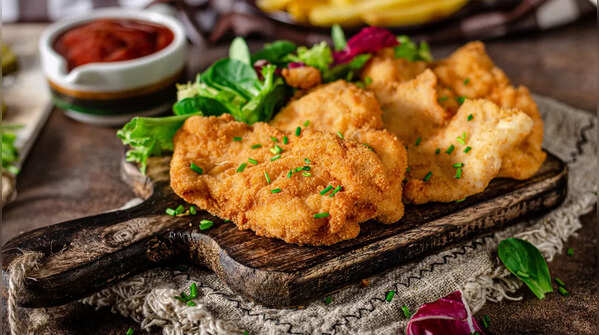
Deep fried foods often use a coat of semolina or breadcrumb for that perfect crunch. And people often complain of bread crumbs falling off the food and settling down in the oil. Chef Sanjee suggests that before frying, make sure that the crumbs are properly coated and dipped in the corn starch nicely before frying. He also suggests dusting off the excess crumbs from the food so that it does not disintegrate in the pan.
Don’t hurry
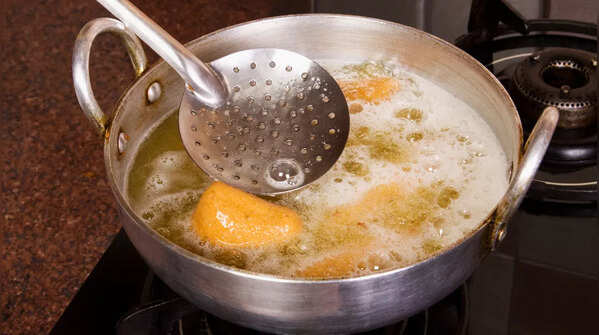
Frying is an act of patience, so never be in a hurry. If the oil is heated at just the right temperature, you do not need to flip it a lot, once or twice would be absolutely enough. And if you touch the food a lot, it might make whatever you are frying break in the pan itself.
Selecting the right equipment
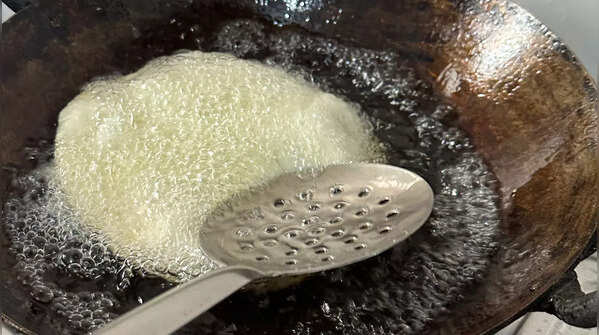
Frying is an art and using the right equipment can make a lot of difference. As per chef Sanjeev, using a perforated spoon for frying helps drain the oil properly and retains the food with the least oil present in it. He also suggests using a non-flat bottom pan for frying. It requires less oil and results in better fried foods.
Always clean the fryer
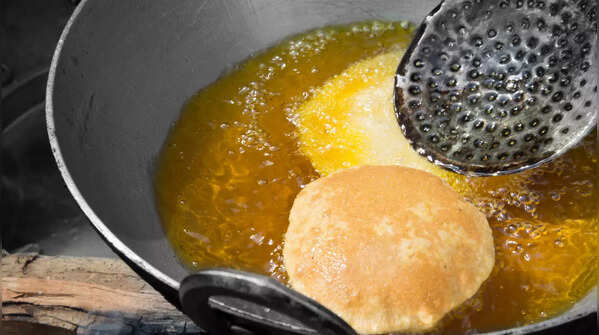
Chef Sanjeev believes in maintaining hygiene with every batch of frying, and hence suggests clearing the oil after every batch. For instance, when you are frying a masala puri, maybe the onion or coriander pieces might settle down in the pan. Cleaning the oil properly will avoid those burnt particles from sticking to your next batch of food. One can always use a strainer to clean the oil, so that the next batch of dishes doesn't get affected by the residue.
Make sure they are the same size
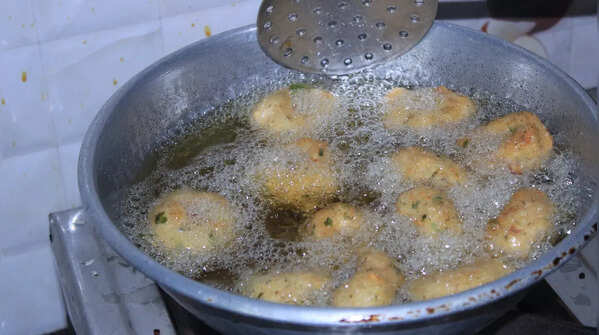
As per his post, whatever you are frying, every item should be the same size, so that they all cook at the same time. If they are of the same size, they will take the same time to get fried and it is easier to fry that way, he concludes.
Images Courtesy: istock
Featured In Food

MORE FROM ETIMES
life & style