
- News
- lifestyle
- travel
- things-to-do
- 7 iconic canyons from around the world for your adventure travel wishlist
7 iconic canyons from around the world for your adventure travel wishlist
7 iconic canyons from around the world for your adventure travel wishlist
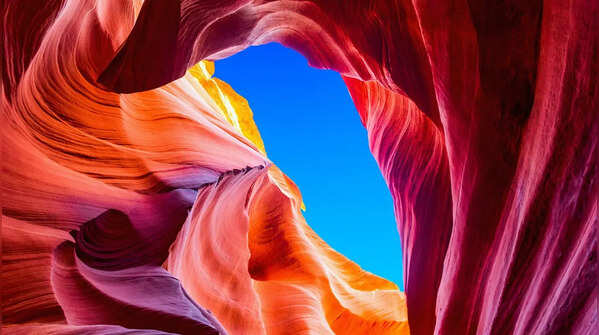
Thus, canyons are not just visually striking features, but also geological records of time, formed through processes of tectonics, erosion, and climate change. From a traveller’s perspective, canyons are not just visually striking features, but also spaces where it is difficult to gauge scales, spaces where ecological zones change, and spaces where human history, from indigenous to colonial and modern, sometimes coincides with nature. The world’s most famous canyons are not just remarkable for their size, but also for their content and their experience.
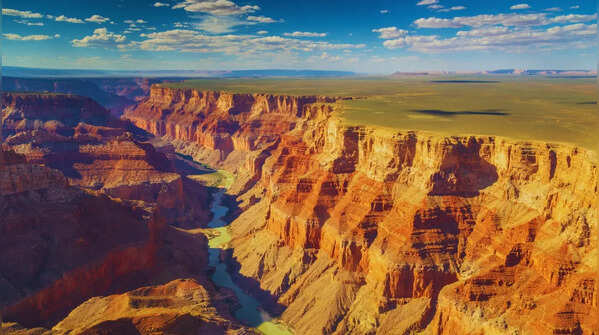
Grand Canyon, United States
The Grand Canyon, carved out by the Colorado River, is less a viewpoint and more a geological entity. The strata of rock contain two billion years of Earth’s history and are one of the most studied areas on the planet. The South Rim is more developed and accessible, while the North Rim is less crowded and at a higher altitude. Serious trekkers take the trail down via Bright Angel or South Kaibab, and the canyon really opens up. The distances that appear trivial from a higher viewpoint can take hours or days to cross.
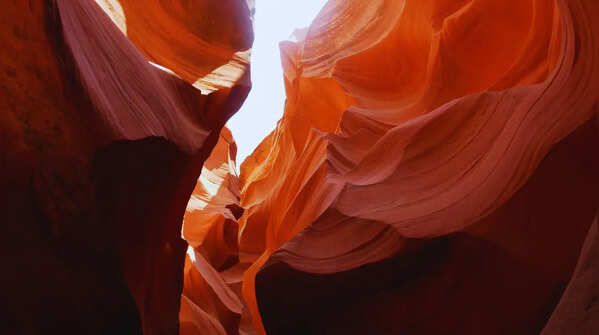
Antelope Canyon, United States
Located within the Navajo Nation in Arizona, Antelope Canyon is another type of canyon system, known as a slot canyon, carved out by flash flooding, not a river. The canyon was carved out of sandstone rock, which was smoothed out into flowing waves of rock by rushing water. The canyon is divided into Upper and Lower sections, each of which is unique. The Upper Antelope Canyon is known for its beams of light, while the Lower Antelope Canyon requires crawling through narrow spaces.
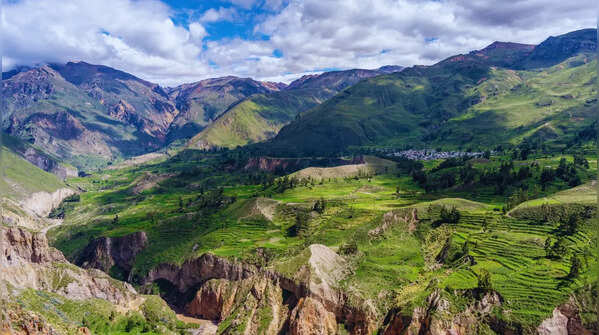
Colca Canyon, Peru
Colca Canyon can be described by its depth, which surpasses 3,200 meters; it is much deeper than the Grand Canyon. Nevertheless, the factor that sets Colca Canyon apart from other canyons is the manner in which human life has adapted to the environment. The canyon is filled with pre-Inca farming terraces; the majority are still inhabited today. Villages around the canyon rim and within the valleys offer a cultural dimension not found in other canyons. One of the unique things to do while visiting Colca Canyon is to spot the Andean condor, one of the largest flying birds in the world, gliding through the sky using the thermal currents from the canyon walls.
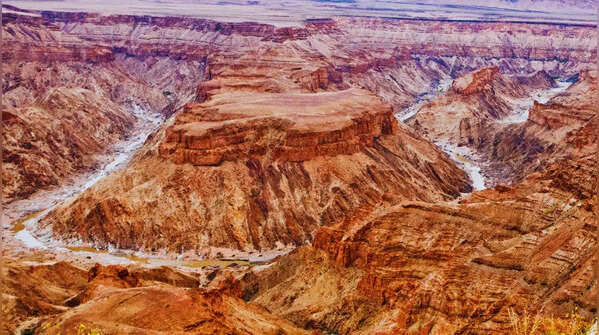
Fish River Canyon, Namibia
Being the biggest canyon in Africa, Fish River Canyon is marked by its stark, almost lunar beauty. Unlike other canyons, which are filled with vegetation, this canyon is marked by its dryness, rocks, and silence. The Fish River Hiking Trail, which is considered one of the toughest in Africa, is a trek that takes several days to complete. This is because of the extreme weather conditions and the lack of water. The canyon was formed through a combination of tectonic and erosion activities, which have continued for several hundred million years.
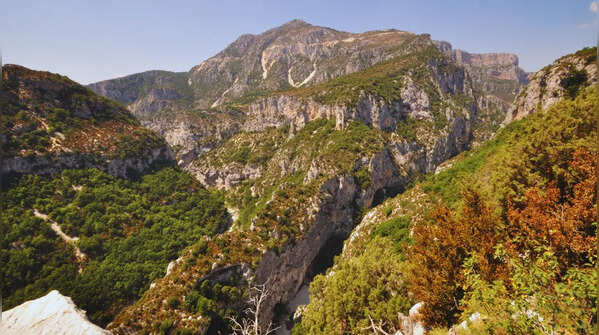
Verdon Gorge, France
Verdon Gorge presents a striking contrast to more rugged canyon systems. Here, a turquoise river passes through pale-colored limestone cliffs, evoking a sense of a man-made landscape for its beauty. Yet, this landscape has a complicated geological history, as it is a karst landscape where water dissolves the rock over time. This has resulted in a canyon with steep walls and hidden passages. For travellers, Verdon is as much about activity as it is about scenery. It is one of Europe’s premier destinations for rock climbing, kayaking, and canyoning.
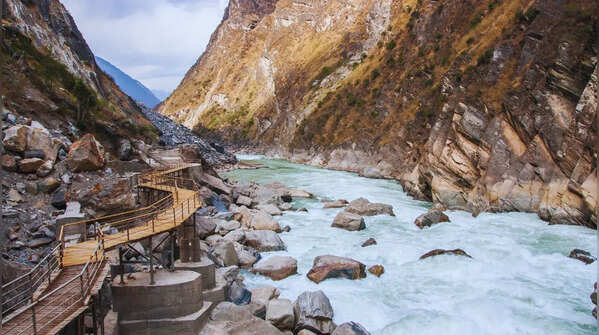
Tiger Leaping Gorge, China
Situated in the upper Yangtze River area, Tiger Leaping Gorge is marked by verticality. On both sides of the gorge, the Jade Snow Mountain Range and Haba Snow Mountain Range plunge vertically into the riverbed to create one of the deepest river canyons in the world. The trekking route through the gorge is rated one of the best in Asia, not just for the scenery but for the constantly shifting perspectives that range from the river crossing to the views of the mountains. The origin of the name Tiger Leaping Gorge is rooted in local mythology that describes a tiger leaping the river's narrowest section to escape a hunter.
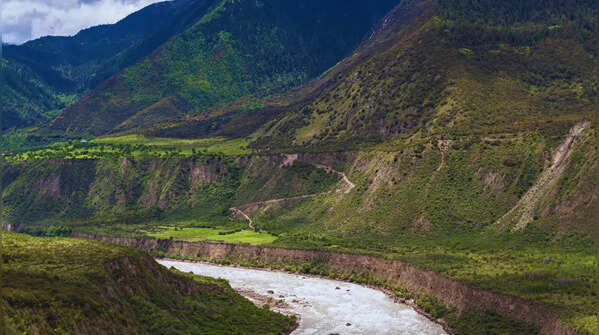
Yarlung Tsangpo Grand Canyon, China
Considered by many to be the deepest canyon on the face of the earth, the Yarlung Tsangpo Grand Canyon is a canyon located in the eastern Himalayas. The canyon is said to be deeper than the Grand Canyon. The canyon has yet to be fully explored due to its remote location. However, what is known of it suggests a place of extreme biodiversity. The river makes a dramatic turn around one of the tallest mountains in the area, Namcha Barwa. The canyon is unique in that it is yet to be touched by mass tourism. It is more of a frontier, a place of interest and observation.
Featured In lifestyle

