
- News
- Health News
- Acidity after every cigarette? Gastro experts reveal what Tobacco is secretly doing to your gut
Acidity after every cigarette? Gastro experts reveal what Tobacco is secretly doing to your gut
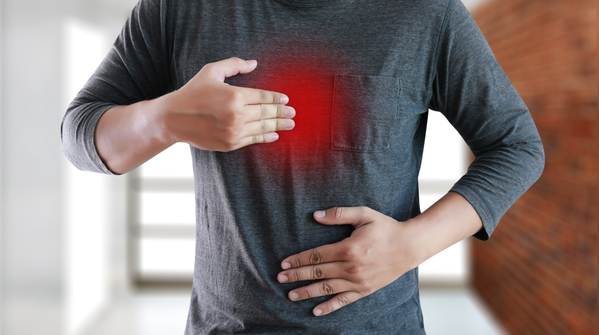
From acidity to cancer risk: The hidden digestive damage caused by Tobacco
For many smokers, the pattern feels familiar. A cigarette after a meal, followed by a wave of acidity, a sour taste in the throat, or a lingering heaviness in the stomach. It is often dismissed as a minor inconvenience. Something that comes with the habit.
But gastroenterologists say those repeated episodes of acidity may actually be early signs of deeper damage happening inside the digestive system.
While public awareness campaigns have largely focused on tobacco's effect on the lungs and heart, growing research suggests that smoking and chewing tobacco can significantly disrupt gut health. The impact stretches far beyond occasional indigestion. It can alter the balance of gut bacteria, weaken the stomach's natural defenses, trigger chronic inflammation, and increase the risk of cancers affecting the digestive tract.

Why smoking often leads to acidity and acid reflux
That burning sensation in the chest after smoking is not just a coincidence.
According to Dr Anurag Shetty, Consultant - Medical Gastroenterology, KMC Hospital, Mangalore, smoking directly affects the stomach and food pipe in ways that make acidity more likely.
"Smoking increases gastric acid and reduces the pH of stomach. Along with this, it reduces the mucus production in stomach and reduces the blood flow to the stomach. Smoking also increases the risk of H. Pylori infection. All this is known to favour the development of ulcers in the stomach and duodenum. It is also known to reduce pressure of esophageal sphincter and precipitate GERD."
The stomach naturally produces acid to digest food. At the same time, it creates a protective mucus layer that shields its lining from damage. Smoking disrupts this balance. More acid is produced, while the protective barrier becomes weaker. The result can be irritation, ulcers, and acid reflux.
Over time, the repeated exposure of the food pipe to stomach acid may lead to chronic gastroesophageal reflux disease (GERD), a condition that affects millions worldwide.

The hidden world inside the gut that tobacco disrupts
The human digestive tract is home to trillions of bacteria that help digest food, regulate immunity, and maintain overall health. This community is known as the gut microbiome.
Scientists increasingly view the microbiome as one of the body's most important health regulators. Research has shown that smoking can alter the composition of these bacteria and encourage the growth of harmful organisms.
Dr Shetty explains, "Smoking alters the microbiota in intestine with increase in harmful organisms. It is known to increase the risk of inflammatory bowel disease like IBD."
Dr Rohan Badave, Consultant - Medical Gastroenterology, Manipal Hospital, Goa, echoes the concern, "Tobacco use (smoking or chewing) can alter the balance of gut bacteria, potentially contributing to bloating, flatulence, abdominal discomfort, and altered bowel habits."
Experts say this microbial imbalance may explain why many tobacco users frequently complain of gas, abdominal discomfort, unpredictable bowel movements, and persistent digestive uneasiness.

When tobacco turns the gut into an inflamed battlefield
The digestive tract is designed to act as a barrier between the body and potentially harmful substances. Tobacco weakens that protective wall.
Dr Badave notes, "Tobacco indirectly leads to leaky gut, which increases inflammation in intestine. It predisposes the patient to develop inflammatory bowel disease."
The term "leaky gut" refers to increased intestinal permeability, where the lining of the intestine becomes less effective at keeping harmful substances out of the bloodstream.
As inflammation grows, the risk of chronic digestive disorders also increases.
"Smoking is a strong risk factor for worsening Crohn's disease, though the relationship with Ulcerative colitis is more complex," Dr Badave explains.
Researchers continue to investigate the link between smoking and inflammatory bowel diseases. Several studies have found that tobacco exposure can influence immune responses and alter gut bacteria in ways that affect intestinal inflammation.
The concern is that these changes are often silent in the beginning. Many people may experience only mild symptoms before more serious digestive conditions develop.

From ulcers to cancer: The risks many people never connect to smoking
When people think of smoking-related cancer, lung cancer usually comes to mind first.
However, gastroenterologists say the digestive system is also highly vulnerable.
"Smoking is a known risk factor for GI cancers of the stomach, esophagus, pancreas, colon and liver," says Dr Shetty.
Dr Badave adds, "Tobacco is a major risk factor for multiple digestive system cancers, including stomach cancer, colorectal cancer, pancreatic cancer, liver cancer and esophageal cancer."
According to the US Centers for Disease Control and Prevention (CDC), tobacco use is associated with cancers affecting multiple digestive organs, including the colon, rectum, liver, stomach, pancreas, and esophagus.
What makes these cancers particularly concerning is that symptoms often appear late. Persistent acidity, unexplained weight loss, swallowing difficulty, chronic abdominal pain, or changes in bowel habits should never be ignored, especially among long-term tobacco users.

Why alcohol and tobacco together can be especially dangerous
Doctors say one of the most overlooked combinations is tobacco and alcohol. The two habits frequently coexist, but their combined effect on digestive organs can be severe.
"In addition, when smoking is combined with alcohol it can make liver and pancreatic diseases worse," says Dr Rohan Badave.
He further explains, "Tobacco may accelerate liver damage, particularly when combined with alcohol or chronic liver disease, and increases the risk and severity of pancreatitis."
Pancreatitis is an inflammatory condition affecting the pancreas, an organ responsible for producing digestive enzymes and regulating blood sugar. Repeated episodes can become life-threatening and may eventually lead to permanent damage.
Similarly, tobacco can worsen liver fibrosis and amplify the harmful effects of alcohol-related liver disease. The danger is not always immediate, but the cumulative damage can be substantial over time.
As Dr Badave puts it, "Therefore, the broader truth is tobacco is not just a mouth-or-lung problem — it affects the entire digestive system from the stomach to the liver and pancreas."

The takeaway: The gut remembers every smoke break
Acidity after smoking is often treated as a small annoyance. A tablet is taken, water is sipped, and the discomfort passes. But the digestive system keeps a longer record.
Every cigarette or pinch of chewing tobacco exposes the gut to chemical stress. The stomach lining becomes more vulnerable. Beneficial bacteria struggle to survive. Inflammation quietly builds. The risk of ulcers, digestive disorders, and cancers gradually rises.
The damage does not always arrive dramatically. Often, it begins with symptoms that feel ordinary: bloating after meals, frequent acidity, irregular bowel habits, or recurring stomach discomfort.
Sometimes the gut speaks in whispers long before it starts screaming.

Medical experts consulted
This article includes expert inputs shared with TOI Health by:
Dr Anurag Shetty, Consultant - Medical Gastroenterology, KMC Hospital, Mangalore.
Dr Rohan Badave, Consultant - Medical Gastroenterology, Manipal Hospital, Goa.
Inputs were used to examine how tobacco affects the digestive system, why frequent smoking can trigger acidity and gut-related problems, and how experts warn that the habit may silently increase the risk of ulcers, inflammation, digestive disorders, and gastrointestinal cancers.
Featured In Health

