
- News
- Health News
- Red patches on tongue? Doctors say ignoring this common mouth sign could raise oral cancer risk, when to get checked
Red patches on tongue? Doctors say ignoring this common mouth sign could raise oral cancer risk, when to get checked

Red patches on tongue warning: A small patch that the body may be trying to warn about
Many people notice occasional changes inside the mouth. A sore after biting the tongue, a small ulcer from spicy food, or a patch that appears for a few days and disappears. Because such issues are common, they are often ignored.
But doctors say that some changes in the mouth deserve closer attention. One of them is a persistent red patch on the tongue.
These patches may look harmless at first. Yet specialists say they can sometimes signal deeper problems inside the oral tissues. In some cases, they may represent early changes that increase the risk of oral cancer.

What do experts say?
Dr Raman Narang, Medical Oncologist at MOC Cancer Care and Research Centre, New Delhi, explains, “Red patches on the tongue are often dismissed as simple irritation, but in some cases they may represent precancerous changes such as erythroplakia or early oral mucosal dysplasia especially in those with addiction habits such as tobacco. These lesions can appear smooth, bright red, and persistent, and they carry a higher risk of progressing to oral cancer if ignored.”
Here’s everything you need to know about what these patches mean can help people act early, when treatment is simpler and outcomes are better.

What exactly are red patches on the tongue?
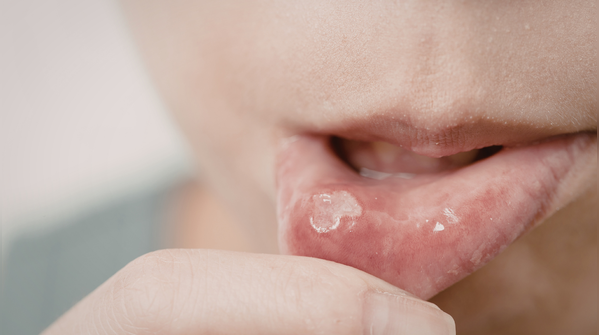
A red patch on the tongue may appear smooth, shiny, or slightly raised. Sometimes it feels sensitive while eating spicy or hot food. In other cases, it causes no pain at all.
Medically, some of these patches are known as erythroplakia. Doctors consider erythroplakia one of the most concerning oral lesions because it can contain abnormal cells.
Unlike temporary irritation, these patches usually do not heal quickly. They may stay in the same place for weeks or slowly grow larger.
Dr Raman Narang notes, “Any patch in the mouth that does not heal within two to three weeks, bleeds easily, or is associated with pain or difficulty swallowing should be evaluated by a doctor or dentist. Early examination and biopsy when needed can help detect changes before they develop into cancer, which significantly improves treatment outcomes.”
The key difference lies in duration and persistence. Temporary irritation fades. Suspicious lesions stay.
Why these patches develop in the first place
The tongue has delicate mucosal tissue. When this lining faces constant irritation, its cells can begin to change.
Several everyday factors can trigger these changes:
Long-term tobacco chewing
Smoking cigarettes or bidis
Heavy alcohol consumption
Poor oral hygiene
Sharp or broken teeth rubbing against the tongue
Chronic infections
Nutritional deficiencies
Dr Vijay Haribhakti, Chair – Oncosciences at Sir HN Reliance Foundation Hospital, Mumbai, points out that lifestyle plays a major role, “Mouth health is often ignored or overlooked in our country, especially by those who should not. Patches and sores in the mouth are common occurrences, but their presence can sometimes indicate issues of concern, some of which may be serious.”
Continuous irritation forces the cells in the mouth to repair themselves again and again. Over time, this repeated damage may lead to abnormal growth patterns.

The oral conditions that can appear as patches
Not every patch inside the mouth means cancer. Several conditions can produce similar signs.
Dr Haribhakti explains that mouth patches can appear in different forms.
Some of the common ones include:
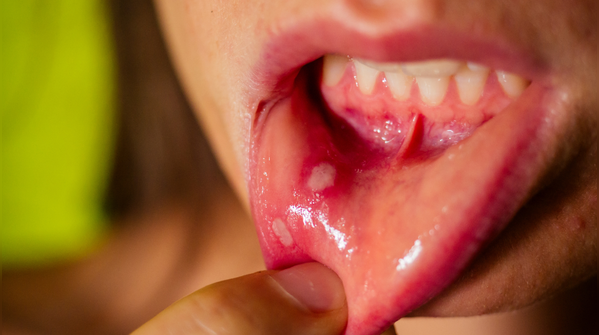
Aphthous ulcers (canker sores)
Small painful ulcers with a white or yellow centre and red border. They usually heal within one to two weeks.
Leucoplakia
A white patch that appears on the tongue, gums, or inner cheeks and cannot be rubbed off.
Lichen planus
White, lace-like patterns inside the mouth that may cause irritation.
Herpetic sores
Blister-like lesions caused by viral infections such as herpes simplex.
However, erythroplakia, the red patch variant, is often considered more concerning than white patches because it carries a higher chance of abnormal cell growth.

Why ignoring the patch can increase cancer risk
Oral cancer often begins silently. Early lesions rarely cause severe pain.
According to the National Cancer Institute (US National Institutes of Health), many oral cancers develop from precancerous lesions such as erythroplakia and leukoplakia.
In India, the burden is especially high. A government-supported study by the Indian Council of Medical Research (ICMR) highlights that oral cancer is one of the most common cancers among Indian men, largely linked to tobacco use.
This is why doctors emphasize early attention to suspicious mouth patches.
If abnormal cells are detected early, they can often be removed before they turn into cancer.
Who should be especially careful about mouth patches
Certain groups face a much higher risk.
Dr Vijay Haribhakti stresses the need for vigilance among people with long-standing habits.
“As a valid generalisation, those individuals with long-standing tobacco chewing habits, as well as those with significant smoking and drinking habits, sharp teeth from any cause and poor oral hygiene need to be especially vigilant about the recent appearance of a sore or patch in the mouth, more particularly if it does not heal within two weeks, or indeed worsens.”
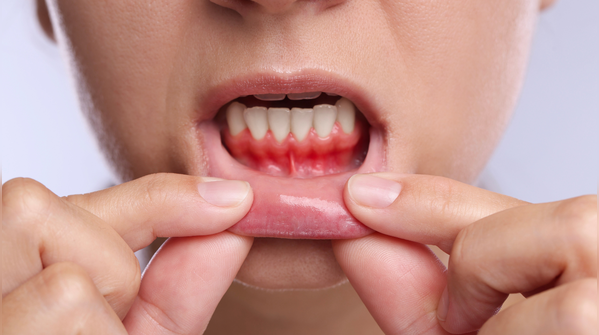
People above 40 years of age, tobacco users, and those with poor dental care should regularly check their mouths.
Even a quick look in the mirror once a week can help detect unusual changes early.

When a red patch should be checked by a doctor
Not every patch needs medical intervention. But some warning signs should never be ignored.
Doctors recommend seeking medical evaluation if:
A patch lasts longer than two to three weeks
The patch bleeds easily
It becomes painful or thickened
There is difficulty swallowing
The patch slowly grows larger
Dentists and oral specialists may perform a simple examination. In some cases, a small tissue sample called a biopsy may be taken.
This test confirms whether the cells are normal, precancerous, or cancerous. Early detection dramatically improves survival and treatment success.
Everyday habits that help protect oral health
Preventing oral lesions often begins with small daily habits.
Simple steps that make a real difference include:
Avoiding tobacco in all forms
Limiting alcohol consumption
Brushing twice daily and flossing
Getting regular dental check-ups
Treating sharp or broken teeth
Maintaining good nutrition with fruits and vegetables
Regular oral examinations by dentists also help identify silent changes that people may not notice themselves.
Public health experts often repeat a simple rule: anything unusual in the mouth that refuses to heal deserves attention.
Medical experts consulted
This article includes expert inputs shared with TOI Health by:
Dr Raman Narang, Medical Oncologist at MOC Cancer Care and Research Centre, New Delhi.
Dr Vijay Haribhakti, Chair – Oncosciences at Sir HN Reliance Foundation Hospital, Mumbai.
Inputs were used to explain why a persistent red patch on the tongue should not be ignored, how it may signal early precancerous changes linked to oral cancer risk, and when it’s important to consult a doctor for timely evaluation and diagnosis.
Featured In Health

