
- News
- Health News
- Rising uric acid in young Indians: Doctors link diet and sedentary lifestyle to surge, share ways to prevent kidney stones and gout
Rising uric acid in young Indians: Doctors link diet and sedentary lifestyle to surge, share ways to prevent kidney stones and gout

Uric acid surge in young India: A silent health shift among young Indians
A decade ago, high uric acid was often seen as a condition linked with ageing. Doctors usually diagnosed gout or uric acid kidney stones in people above 50. Today the pattern looks different. Clinics across India now report patients in their 20s and 30s arriving with joint pain, kidney stones, and unexpectedly high uric acid levels.
Doctors say this rise is not random. It reflects a mix of changing diets, sedentary work routines, and a growing obsession with high-protein fitness trends. Many young professionals spend long hours sitting, eat processed food, and rely heavily on protein supplements. Over time, these habits quietly alter the body’s metabolism.
The result is a growing burden of hyperuricemia, a condition where uric acid builds up in the blood and can trigger gout, kidney stones, and kidney damage if ignored.

Why uric acid matters for the body
Uric acid forms when the body breaks down substances called purines. These compounds exist naturally in many foods and also in the body’s own cells. Normally, the kidneys filter uric acid from the blood and remove it through urine.
Problems begin when the body produces too much uric acid or the kidneys fail to remove it efficiently. When levels rise, sharp crystals can form in joints and kidneys. These crystals cause intense pain during gout attacks and can lead to kidney stones.
Doctors warn that the condition often develops quietly. A person may not notice symptoms until a painful episode occurs.

Rising numbers among young Indians
Health experts in India have noticed a steady increase in hyperuricemia among younger adults. Several hospital-based studies suggest the condition is becoming more common in urban populations.
Data from the Indian Council of Medical Research–India Diabetes (ICMR-INDIAB) study has highlighted the growing burden of metabolic disorders in the country. The findings also show a rise in lifestyle-related conditions such as obesity and diabetes, both of which are strongly linked with elevated uric acid levels.
These trends create the perfect environment for uric acid problems to grow.
Diet trends that doctors are watching closely
Doctors say food choices have changed rapidly over the last two decades. Young Indians now consume more processed foods, sugary drinks, red meat, and fast food than previous generations.
High-purine foods such as red meat, organ meat, and certain seafood can raise uric acid levels. Sweetened beverages and alcohol also interfere with the body’s ability to remove uric acid.
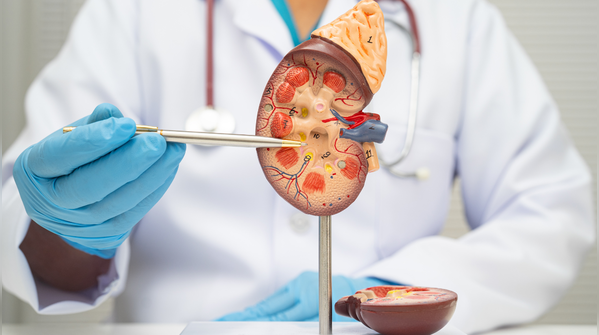
Dr Abhishek K. Shirkande, Consultant Nephrologist at S. L. Raheja Hospital in Mumbai, explains that elevated uric acid can damage the kidneys if ignored, “High uric acid level in blood i.e. hyperuricemia is associated with high blood pressure and also can cause kidney disease over time. Excess uric acid forms crystals in the renal tubules, leading to kidney inflammation and damage,” he says.
He adds that uric acid stones in the kidney can gradually affect kidney function if the condition remains untreated.
The protein trend and the hidden imbalance
Another factor quietly shaping this problem is the rise of gym culture. Social media often promotes high-protein diets as the fastest way to build muscle. Many young adults now consume protein shakes, bars, and powders daily.
Doctors say protein is essential, but excess intake is not always beneficial.
Dr Varun Mittal, Head of Kidney Transplant and Associate Chief of Uro-Oncology and Robotic Surgery at Artemis Hospitals, explains that the body only needs a certain amount of protein each day.
“Many people think that eating more protein will help them get stronger and healthier. Even though protein is important, the body only needs a certain amount each day. Eating a lot of protein won't make muscles grow faster or make you healthier,” he says.
He also points out that most people can easily meet their protein needs through regular foods such as lentils, eggs, dairy products, nuts, and seeds.

The kidney-uric acid connection
When protein is metabolised, the body produces nitrogen-based waste products such as urea and uric acid. The kidneys must filter these substances from the bloodstream.
Dr Vinayak Ukirde, nephrologist at Sahyadri Hospitals in Karad, explains the process clearly, “When we eat high amounts of protein, especially from animal protein sources, our kidneys have to work harder to filter out waste products such as urea and uric acid,” he says.
He adds that purine-rich foods such as red meat convert into uric acid in the body. Over time, this can increase the risk of gout and kidney stones, particularly in people already prone to kidney problems.
The key message from doctors remains simple: balance matters more than excess.

Sedentary lifestyles add to the risk
Food alone does not explain the trend. Many urban professionals now spend most of their day sitting. Office work, long commutes, and screen-based entertainment reduce physical activity.
This sedentary pattern contributes to weight gain, insulin resistance, and metabolic syndrome. These conditions often raise uric acid levels.
Public health experts also note that dehydration plays a role. People who drink less water give the kidneys fewer chances to flush out uric acid.
Drinking adequate fluids is one of the simplest ways to reduce the risk of kidney stones.

Can high-protein diets harm the kidneys?
Doctors emphasise that protein itself is not the enemy. The real problem lies in excessive intake, especially through supplements.
Dr Shashidhar Shree Niwas, Clinical Director and Head of Nephrology at Marengo Asia Hospitals in Gurugram, says protein remains vital for the body, “Protein plays an essential role in the body. It is required for muscle growth and repair, hormone and enzyme production, immune function, and tissue healing,” he explains.
However, he notes that extreme diets promoted through fitness trends often create confusion about how much protein the body actually needs.
For most healthy adults, balanced nutrition provides enough protein without relying on heavy supplementation.

Practical ways to prevent gout and kidney stones
Doctors recommend several simple lifestyle measures that can help control uric acid levels.
First, maintain a balanced diet that includes vegetables, fruits, whole grains, and moderate protein. Reducing purine-rich foods such as red meat and organ meats can help lower uric acid levels.
Second, drink enough water throughout the day. Adequate hydration helps the kidneys remove uric acid more efficiently.
Third, stay physically active. Regular exercise improves metabolism and helps control weight.
Fourth, avoid excessive alcohol and sugary drinks, which can interfere with uric acid elimination.
Finally, people with repeated joint pain or kidney stones should consider routine blood tests to monitor uric acid levels.
A reminder from history
The condition gout once carried the nickname “the disease of kings” because it was associated with rich food and excess. Today the irony is striking. Modern lifestyles have brought similar dietary patterns to ordinary households.
Balanced eating, regular movement, and mindful health checks remain the most reliable ways to avoid the problem.
Medical experts consulted
This article includes expert inputs shared with TOI Health by:
Dr Abhishek K. Shirkande, Consultant Nephrologist at S. L. Raheja Hospital in Mumbai.
Dr Varun Mittal, Head of Kidney Transplant and Associate Chief of Uro-Oncology and Robotic Surgery at Artemis Hospitals.
Dr Vinayak Ukirde, nephrologist at Sahyadri Hospitals in Karad.
Dr Shashidhar Shree Niwas, Clinical Director and Head of Nephrology at Marengo Asia Hospitals in Gurugram.
Inputs were used to explain how modern dietary habits and sedentary lifestyles are contributing to rising uric acid levels among young Indians, and why doctors recommend balanced diets, hydration, and lifestyle changes to help prevent gout and kidney stones.
Featured In Health

