
- News
- Health News
- Think your diet is healthy? These everyday Desi foods could be impacting your cholesterol and here’s what to do
Think your diet is healthy? These everyday Desi foods could be impacting your cholesterol and here’s what to do

Is the Indian diet a healthy plate or a hidden risk?
A home-cooked meal still feels like the safest bet. Dal, roti, sabzi, a spoon of ghee, what could go wrong? Quite a bit, it turns out, but not in the way most people expect.
India has one of the highest burdens of heart disease, and rising cholesterol is a big reason behind it. What makes it tricky is that many foods linked to this risk don’t look unhealthy at all. They are familiar, comforting, and deeply rooted in everyday kitchens.

The “healthy” tag can be misleading
There is a quiet belief that traditional food equals healthy food. That belief holds some truth, but only when portions, cooking methods, and combinations stay balanced.
As Komal Malik, Head – Dietician, Asian Hospital explains, “Many people think traditional foods are always good for them.. That's not always true when it comes to cholesterol. Foods like ghee, fried snacks, sweets and some processed dals and pickles may seem familiar and comforting.. They can have a lot of bad fats and salts. These can raise LDL cholesterol. Hurt heart health.”
What matters is not just what is eaten, but how often and how much.

Ghee: the golden fat with a limit
Ghee has always been part of Indian cooking. In small amounts, it adds flavour and even supports fat-soluble vitamin absorption. But the problem starts with excess.
Today, portions have quietly increased. A drizzle has turned into a pour.
“Ghee contains a good amount of saturated fats; when taken in high amounts, it can raise LDL cholesterol… Controlling portions is really the key,” explains the expert.
A practical shift is simple: measure instead of guessing. One to two teaspoons per day is very different from free pouring.

The real culprit: refined carbs hiding in plain sight
Cholesterol is not only about fat. In fact, many Indian plates overload on refined carbohydrates.
White rice, maida rotis, biscuits, and packaged snacks may look harmless. But they trigger a chain reaction inside the body.
“Refined carbohydrates… trigger the liver to produce VLDL, and also spike blood sugar, which then converts into LDL (bad cholesterol),” the dietitian notes.
This means a plate heavy on refined carbs can quietly worsen cholesterol, even without visible oil or fat.
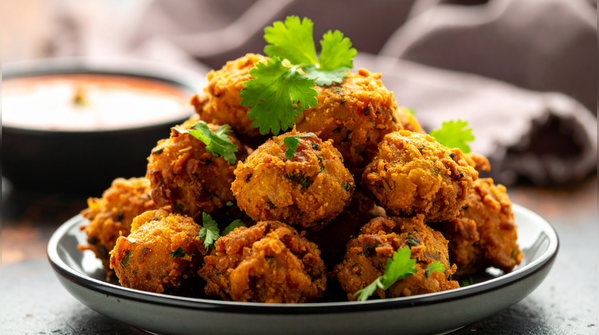
Fried at home doesn’t mean safer
There is a common comfort in saying, “It’s homemade.” But frying changes the equation.
Pooris, pakoras, and repeated tadka oils go through high heat again and again. That process creates oxidised fats, which are harder on the heart.
“Repeated heating of oils can generate harmful compounds that worsen lipid profiles,” the expert explains.
The concern is not occasional indulgence. It is the routine repetition that builds risk over time.

The salt-fat combination that slips under the radar
Pickles, papads, and namkeens rarely get flagged in daily diet checks. Yet they combine high salt with unhealthy fats.
This pairing does two things at once. It raises blood pressure and affects cholesterol balance.
A report by the Indian Council of Medical Research (ICMR) highlights how diets high in salt and unhealthy fats are linked with cardiovascular disease risk in India.
It is not about removing these foods entirely. It is about frequency and portion.

The problem is the plate, not a single food
A single “bad” item does not cause damage. Patterns do.
Veena V, Chief Clinical Dietician & HOD - Department of Clinical Nutrition and Dietetics, Aster Whitefield, puts it simply, “Think your daily dal, roti, ghee, and snacks are ‘healthy’? From a dietitian’s lens, the reality is more nuanced… It is not mainly about them being intrinsically unhealthy, but rather about the way they are eaten, combined with, and cooked.”
A typical plate heavy on carbs, light on fibre, and rich in fats creates the perfect setup for rising LDL.
Even government-backed data from the National Family Health Survey (NFHS-5) shows a growing trend of lifestyle-related risk factors, including obesity and lipid disorders.

What actually works: small corrections, not big bans
The solution is not extreme dieting. It is thoughtful adjustment.
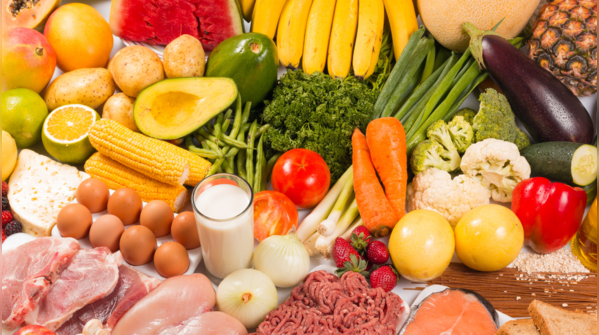
“The key is to eat in moderation and balance. Eating whole grains, fruits, vegetables, legumes and lean proteins can help keep cholesterol levels healthy. Also cooking methods are important,” says Komal Malik.

Some practical changes that make a real difference:
Swap refined grains with whole grains like oats, barley, and millets
Use mixed oils such as mustard, groundnut, or rice bran
Pair carbs with protein like dal, curd, or paneer
Increase fibre through fruits, vegetables, and seeds
Choose steaming, grilling, or sautéing over deep frying
One simple question can guide most choices: does the plate feel balanced or overloaded?
Medical experts consulted
This article includes expert inputs shared with TOI Health by:
Komal Malik, Head – Dietician, Asian Hospital.
Veena V, Chief Clinical Dietician & HOD - Department of Clinical Nutrition and Dietetics, Aster Whitefield.
Inputs were used to explain how commonly consumed everyday desi foods, often considered healthy, can impact cholesterol levels, and what simple dietary changes can help manage and improve heart health.
Featured In Health

