
- News
- Real Estate News
- 7 types of tiles for your bathroom and which one is the best
7 types of tiles for your bathroom and which one is the best
7 types of tiles for your bathroom and which one is the best
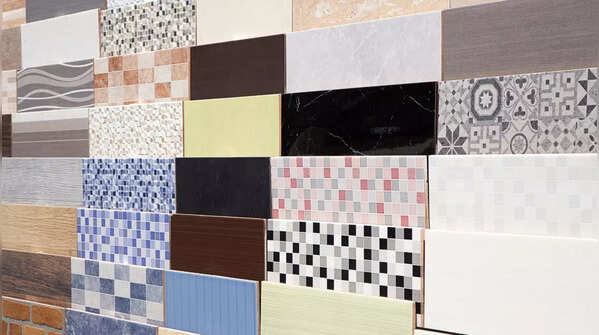
Selecting the appropriate tiles for a bathroom is very important, not only for the purpose of design but also for durability, water resistance, and safety. Bathrooms are wet places that require tiles that are water-resistant, stain-resistant, and provide the necessary level of slip resistance. Below is a list of seven common tile types for suitable for bathrooms.
Image Credit: Canva

Ceramic Tiles
Ceramic tiles are the most in-demand tiles for bathrooms due to their affordability, water-resistance, and versatility. Ceramic tiles are made from clay and other natural materials and are coloured with various designs and colours. They are extremely easy to clean and install, making them the most ideal tiles for walls and floors in most bathroom designs. However, they are slightly less durable than porcelain tiles, especially in areas that are highly trafficked and wet.
Image Credit: Canva

Porcelain Tiles
Porcelain tiles are a stronger and more dense type of ceramic tile that is fired at a higher temperature. This makes them highly water, stain, and scratch-resistant, which is very beneficial for bathroom floors. Porcelain tiles also have a high degree of design flexibility, such as finishes that resemble stone or wood. However, their strength makes them more difficult to cut and install, and slightly more costly.
Image Credit: Wikipedia

Natural Stone Tiles
Natural stone tiles, including marble, granite, and slate, add a luxurious and textured element to the bathroom. Every tile is unique, with its own pattern and texture, making it a beautiful addition to the bathroom. They are also long-lasting and can increase the value of the property, but natural stone tiles need to be sealed regularly to maintain water-resistance. Natural stone tiles can be quite pricey and may be slippery if polished.
Image Credit: Designing buildings wiki

Mosaic Tiles
Glass tiles are ideal for designing radiant and eye-catching spaces since they reflect light well. Glass tiles are ideal for walls, backsplashes, and shower designs. They are resistant to mold and mildew, and they are easy to clean. Glass tiles are not suitable for flooring since they are slippery and fragile, and they tend to be quite expensive.
Image Credit: Designing buildings wiki
Glass Tiles
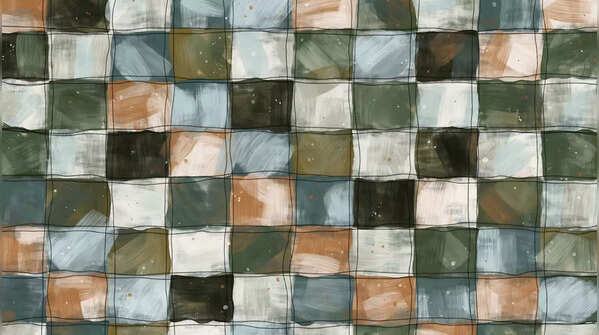
Glass tiles are ideal for designing radiant and eye-catching spaces since they reflect light well. Glass tiles are ideal for walls, backsplashes, and shower designs. They are resistant to mold and mildew, and they are easy to clean. Glass tiles are not suitable for flooring since they are slippery and fragile, and they tend to be quite expensive.
Image Credit: Canva

Vinyl Tiles
Vinyl tiles in the bathroom are waterproof, have flexibility, and come in patterns that look like stone or wood. They are one of the most budget-friendly and easiest to install, with minimal maintenance. Vinyl tiles are also softer and warmer underfoot compared to hard tiles but do not add much value to the house compared to ceramic or stone tiles.
Image Credit: Wikipedia
Subway Tiles
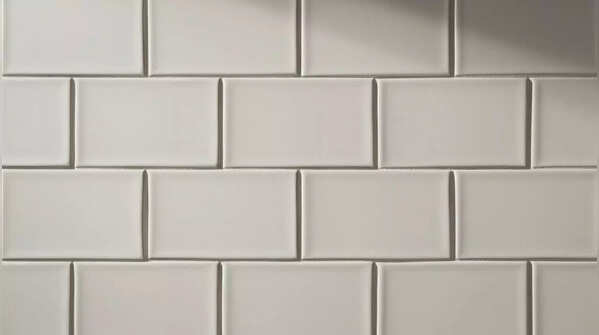
Subway tiles are rectangular tiles that were first used in the subway system but have recently become popular in bathrooms for their vintage look. They are usually made of ceramic or porcelain and are very easy to install and maintain. They can be arranged in different patterns, such as herringbone and stacked patterns. They are not as showy as mosaics but are very versatile.
Image Credit: Canva
Which tile is best for your bathroom
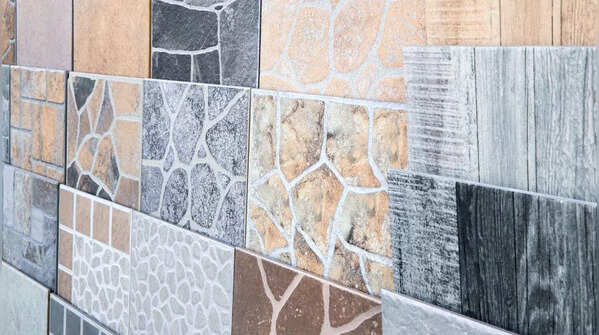
If you are searching for tiles that are best in terms of performance, maintenance, and durability, then porcelain tiles are the best choice for most bathrooms due to their excellent water resistance and durability. Ceramic tiles are the best budget-friendly alternative to porcelain tiles, while natural stone and glass tiles are the best choice if design and luxury are your priorities. Mosaic tiles and subway tiles are best used as accent tiles, and vinyl tiles are budget-friendly.
Bathroom tiles are more than just a mere decorative feature; they help to define the functionality, safety, and ambiance of the bathroom. Whether it is the classic performance of ceramic tiles or the luxurious look of natural stone tiles, each tile has its own unique application. The best tile for your bathroom ultimately depends on your budget, personal preference, and usage level.
Image Credit: Canva
Featured In Real Estate

