
- News
- Real Estate News
- From Sikkim to Manipur: India’s most restricted real estate markets where land ownership for ‘non-residents’ is strictly regulated
From Sikkim to Manipur: India’s most restricted real estate markets where land ownership for ‘non-residents’ is strictly regulated

From Sikkim to Manipur: India’s most restricted real estate markets where land ownership for ‘non-residents’ is strictly regulated
India’s real estate market is quite diverse. However, not every state or region in India is open to all buyers or developers. There are many states which have sensitive ecosystems and tribal populations. Buying property at such places ownership is restricted to locals or subject to strict regulations. For investors and homebuyers, it’s important to understand these rules, as they help avoid legal complications and ensure a secure property investment.
Read on:
(Canva)

Sikkim: A ‘Locals-Only’ rule
Sikkim, the beautiful northeastern state, has strict locals-only rules when it comes to real estate. The state only allows its permanent residents to purchase property which is backed by Article 371F of the Constitution. As per the law, non-Sikkimese individuals are restricted from owning land in the state. It is a measure designed to protect the indigenous population’s rights.
(Canva)
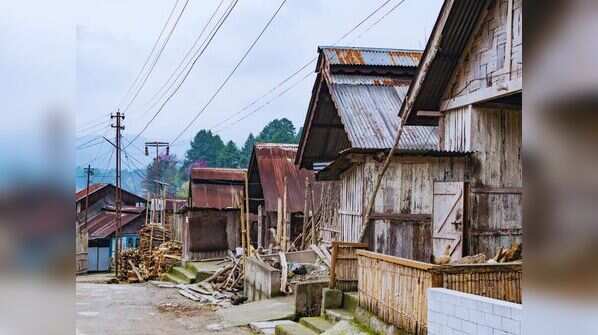
Arunachal Pradesh: Tribal Land
Land ownership in Arunachal Pradesh, another state in northeast India, is heavily guarded to protect indigenous tribal communities. Outsiders are not allowed to purchase land in Arunachal Pradesh because of strict customary land ownership rules.
(Canva)

Nagaland: Only for locals
Article 371A allows special rights to its indigenous communities. It also restricts land ownership and transfer to outsiders. Even the Central Government cannot interfere with this law. The goal is to safeguard the rights of indigenous communities.
(Canva)

Manipur and Mizoram
Northeastern states like Manipur and Mizoram also have outsiders restriction rules when it comes to land and property ownership. Non-locals are not allowed to own land at all in these states. There is an extremely complex approval system which involves approvals from local authorities or tribal councils.
(Canva)

Why such restrictions
These property laws serve bigger purposes including:
Cultural preservation: Protecting indigenous traditions and tribal identity
Environmental protection: Preventing fragile ecosystems from overdevelopment
In northeastern states, land is more than an asset and is connected to community identity. It’s more a part of their heritage. While India offers immense real estate opportunities, some parts of the country remain protected by the law for abovementioned reasons. In these states, land ownership is reserved primarily for locals and their culture. These restrictions show a perfect balance between development and local preservation.
(Canva)
Featured In Real Estate

