
- News
- City News
- delhi News
- A Road Beneath The Mountains: How A 7-Km Tunnel Will Reshape Travel To Kedarnath
A Road Beneath The Mountains: How A 7-Km Tunnel Will Reshape Travel To Kedarnath
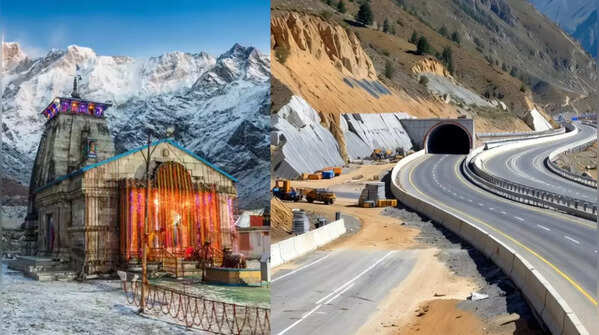
7-km tunnel plan finalised
The government has zeroed in on building a 7-km twin-tube tunnel connecting Chaumasi in Kalimath Valley near Guptkashi to Sonprayag, aimed at improving road connectivity to Kedarnath while cutting travel time and easing congestion during peak pilgrimage season. (AI Image)
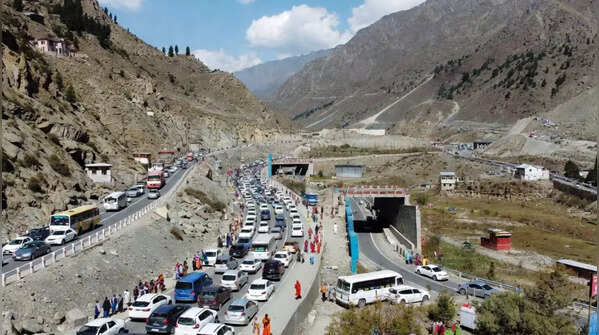
Boost to pilgrim safety
The proposed twin-tube tunnel will function not only as a traffic corridor but also as an emergency escape route during bad weather, landslides or disasters, significantly improving safety for pilgrims travelling to Kedarnath. (AI Image)
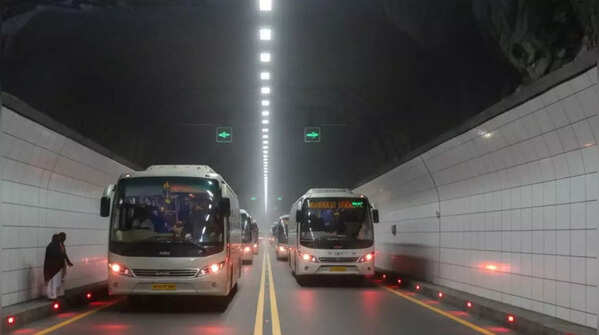
Link to ropeway project
The tunnel will connect to Sonprayag, the starting point of the 12.9-km Sonprayag–Kedarnath ropeway project, creating an integrated road-and-ropeway transport system for pilgrims heading to the shrine. (AI Image)
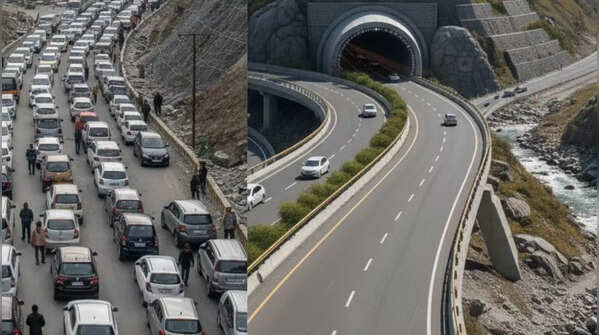
Road widening in Kalimath Valley
As part of the plan, the existing one-lane road in Kalimath Valley, under the Uttarakhand government’s control, will be widened to two lanes to handle higher traffic volumes once the tunnel becomes operational. (AI Image)

Construction and feasibility planning
The government has initiated detailed surveys and feasibility studies, including geological assessments, to ensure the tunnel can withstand Himalayan terrain challenges and seasonal weather conditions. (AI Image)
Traffic volume set to double
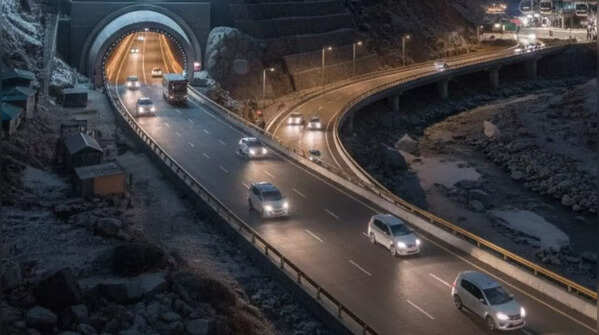
Daily traffic up to Sonprayag is expected to rise from the current 2,500 passenger car units (PCUs) to nearly 5,000 PCUs by 2040, making the tunnel critical for managing future traffic demand. (AI Image)

Current congestion concerns
At present, all vehicles bound for Sonprayag and Gauri Kund use NH-107, leading to heavy congestion on the Guptkashi–Gauri Kund stretch during peak pilgrimage months, causing delays and safety risks. (AI Image)

Reduced travel time to Kedarnath
Once operational, the 7-km twin-tube tunnel is expected to cut travel time between Chaumasi and Sonprayag significantly, easing congestion on NH-107 and providing pilgrims a faster, safer journey to the Kedarnath shrine. (AI Image)
Featured In City

