
- News
- Health News
- Exercise is medicine for diabetes: How 30 minutes of daily activity can lower blood sugar and reduce medication dependence
Exercise is medicine for diabetes: How 30 minutes of daily activity can lower blood sugar and reduce medication dependence
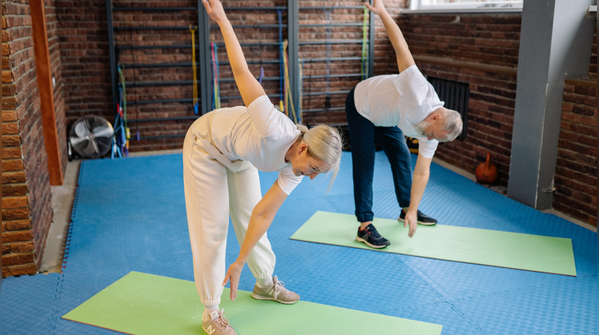
Why 30 minutes a day can change everything
There is a shift happening in diabetes care. Medicines still matter, but doctors are increasingly turning to something simpler and far more powerful: movement. Not extreme workouts. Not complicated routines. Just consistent, daily activity.
For many people living with diabetes, especially Type 2, 30 minutes of the right kind of exercise can improve blood sugar control, reduce dependence on medication, and restore a sense of control over their own body. The science supports it, and so do doctors on the ground.

Why movement works better than it seems
When the body moves, muscles begin to use glucose as fuel. This lowers the amount of sugar circulating in the blood. At the same time, exercise makes cells more sensitive to insulin.
This means the same amount of insulin works better than before. Over time, this reduces insulin resistance, which is one of the core problems in Type 2 diabetes.
A government-backed study by the Indian Council of Medical Research (ICMR) highlights that lifestyle changes, including physical activity, play a key role in diabetes prevention and control.
Similarly, the Centers for Disease Control and Prevention (CDC) notes that regular physical activity can lower blood sugar levels for up to 24 hours or more after a workout.
So the effect is not temporary. It builds up, day after day.
World Parkinson's Day: Not just tremors, doctor reveals the non-motor symptoms nobody talks about

What doctors actually recommend
Dr Thushanth Thomas explains that exercise does not have to be complicated to be effective.
“Patients with diabetes are usually recommended to regularly involve themselves in physical activity, which can be done through walking at least thirty minutes five times a week, or exercising five times a week, or doing fifteen minutes' worth of exercise five times a week, or accumulating at least one hundred fifty minutes of physical activity per week.”
The key is consistency. Not intensity.
He adds that walking remains the most practical option because it fits into daily life without much planning.

Walking is powerful, but variety keeps you going
Walking is often underestimated. It improves circulation, helps muscles absorb glucose, and reduces stress. But doing only one activity can become boring.
Dr Thomas points out, “The exercise can involve walking, jogging, cycling, swimming, or other physical activities that might benefit people with diabetes… By doing different exercises and not just walking, it will be easier to keep the motivation.”
Mixing activities keeps both the body and mind engaged.
A simple weekly mix could look like this:
Brisk walking on most days
Cycling or swimming twice a week
Light strength training at home
This variation helps prevent burnout and improves overall fitness.

The hidden benefit: Reduced medication dependence
One of the most encouraging outcomes of regular exercise is the possibility of needing fewer medicines over time.
Dr Satish Chander Wasoori explains it clearly, “Exercise is medicine for people with diabetes, and often, it works better for people than expected. Regular physical activity which includes brisk walking, cycling along with light resistance training results in direct benefits that enhance insulin sensitivity and maintain stable blood sugar levels. Patients who maintain regular engagement in planned exercise routines experience progress in their blood sugar control while needing fewer medications throughout their treatment.”
This does not mean stopping medicines on your own. But it shows how powerful lifestyle changes can be when done right.

The risks people ignore
Exercise helps, but doing it carelessly can backfire.
Dr Wasoori cautions, “High-intensity workouts without preparation can trigger blood sugar fluctuations or hypoglycaemia. Checking glucose before and after exercise, staying hydrated, and never working out on an empty stomach are non-negotiable basics.”
There are also foot-related risks. Diabetes can affect nerve function, so even small injuries may go unnoticed. Proper footwear and daily foot checks are essential.

Why this matters more in today’s India
India is seeing a sharp rise in diabetes, especially among younger people with sedentary lifestyles. Long hours at desks, minimal movement, and irregular eating patterns are common triggers.
Dr Wasoori highlights this concern, “In India's current scenario, there is a rise in cases of Type 2 diabetes in younger, sedentary populations. Walking even 30 minutes daily with moderate movement can be genuinely life-changing.”
The solution does not always lie in complex diets or expensive treatments. Often, it starts with something as simple as stepping out for a walk.

Making 30 minutes a habit, not a task
The hardest part is not the exercise itself. It is staying consistent.
A few practical ways to make it stick:
Walk after meals instead of scrolling on the phone
Use stairs whenever possible
Schedule exercise like an appointment
Pair activity with something enjoyable, like music or a podcast The goal is to make movement feel natural, not forced. That reminder feels especially relevant for those managing diabetes.
Medical experts consulted
This article includes expert inputs shared with TOI Health by:
Dr Thushanth Thomas, Consultant & Chief Coordinator, Department of Endocrinology & Diabetes, KIMSHEALTH, Thiruvananthapuram.
Dr Satish Chander Wasoori, Senior Consultant, Endocrinology, Paras Health Gurugram.
Inputs highlight that regular physical activity plays a key role in managing diabetes, and experts emphasize structured daily exercise as a safe and effective way to lower blood sugar levels and reduce reliance on medication.
Featured In Health

