
- News
- Health News
- Weekend binge eating vs daily overeating: Which is more harmful to your liver?
Weekend binge eating vs daily overeating: Which is more harmful to your liver?

Weekend binge vs daily overeating
As World Liver Day approaches on April 19, the conversation around food habits deserves a closer look. Not all unhealthy eating patterns affect the body in the same way. Some hit hard and fast, while others quietly build damage over time. When it comes to the liver, both weekend binge eating and daily overeating raise concern, but they do so differently.

The liver rarely complains, until it’s too late
The liver is one of the most hardworking organs in the body. It filters toxins, processes nutrients, and helps regulate metabolism. Yet, it rarely sends clear warning signs in the early stages of trouble.
Many people notice only vague symptoms: constant fatigue, bloating, or a heavy feeling after meals. These signs are easy to ignore. Meanwhile, fat slowly builds up in liver cells, setting the stage for non-alcoholic fatty liver disease (NAFLD).
A report published in the NIH highlights that fatty liver is now common even among young adults in India, largely due to diet and lifestyle shifts.
What weekend binge eating does to the liver
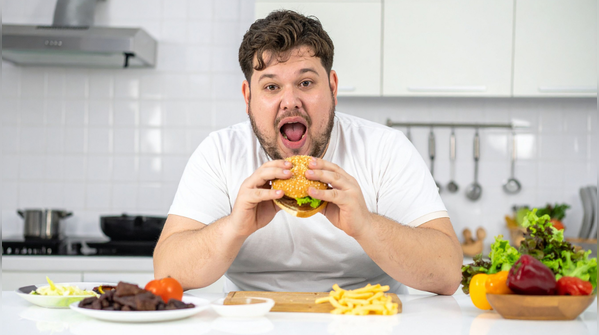
Weekend binge eating often means high-fat meals, sugary desserts, and alcohol packed into a short window. This sudden overload creates what doctors call acute metabolic stress.
Within hours, the liver is forced to process excess fat, sugar, and toxins all at once. This can lead to:
A spike in blood sugar and insulin
Temporary fat accumulation in the liver
Increased oxidative stress
Higher strain if alcohol is involved
Dr Babu U V explains that this kind of eating “hits the liver hard and fast,” overwhelming its ability to process nutrients efficiently.
Over time, repeated weekend binges can push the body toward insulin resistance and weight gain.

Why daily overeating is a silent threat
Daily overeating does not feel dramatic, but it is often more damaging in the long run.
A consistent calorie surplus leads to steady fat deposition in the liver. This slow buildup can progress through stages:
Fatty liver
Inflammation (steatohepatitis)
Fibrosis
In severe cases, cirrhosis
Dr Chetan Kalal notes that daily overeating “creates a constant calorie surplus,” which is a key driver of fatty liver disease and metabolic disorders like type 2 diabetes.
A study by the National Institute of Diabetes and Digestive and Kidney Diseases also confirms that long-term excess calorie intake is a major cause of fatty liver.

So, which one is worse?
There is no simple winner here. Both patterns harm the liver, but in different ways.
Weekend binge eating: sudden, intense stress
Daily overeating: slow, cumulative damage
If forced to compare, daily overeating often poses a greater long-term risk because it keeps the liver under constant pressure. It quietly builds disease without obvious symptoms.
However, frequent binge eating can accelerate this damage, especially when combined with alcohol and processed foods. In reality, the liver does not distinguish between the two. It only registers overload.

Why modern diets are making things worse
Today’s food environment makes both habits easier to fall into. Ultra-processed foods, sugary drinks, and refined carbohydrates dominate daily diets.
These foods:
Increase fat storage in the liver
Worsen insulin resistance
Trigger overeating due to low satiety
Even people who eat “normal” meals daily may unknowingly consume excess calories.

Breaking the cycle: small shifts that work
Changing eating patterns does not require extreme diets. The focus should be on consistency.
A few practical changes can make a real difference:
Eat meals at regular times
Reduce portion sizes slightly, not drastically
Replace refined carbs with whole grains and fiber
Limit sugary drinks and packaged snacks
Stay physically active for at least 30 minutes daily
Avoid saving all indulgence for one “cheat day”
Doctors also highlight the role of early intervention. Regular health check-ups can detect liver issues before they become serious.
Some clinically tested herbal formulations may support liver function, but they work best alongside lifestyle changes, not as a replacement.

A reminder this World Liver Day
The liver has a remarkable ability to heal. But it needs consistent care, not occasional fixes. Choosing balance over extremes is the real solution. Not eating perfectly every day, but also not overloading the body in bursts.
Because in the end, the damage is not always about what is eaten once. It is about what becomes a habit.
Medical experts consulted
This article includes expert inputs shared with TOI Health by:
Dr Babu U V, Director R&D, Research & Development Centre, Himalaya Wellness Company, Bengaluru.
Dr Chetan Kalal, Assistant Director – Hepatology, Gleneagles Hospital, Parel.
Inputs were used to explain how both weekend binge eating and daily overeating impact liver health, highlighting which pattern may pose greater risk and why mindful eating habits are essential.
Featured In Health

