
- News
- Health News
- Your heart is talking: 10 signs of an unhealthy heart you should not ignore
Your heart is talking: 10 signs of an unhealthy heart you should not ignore

What are the signs of an unhealthy heart?
Your Heart beats about 1 lakh times in a day; it is a tireless muscular engine. It makes sure that the nutrients keep flowing through your body, and because it is so vital, it rarely fails without sending a few “distress signals” first. Many of these symptoms appear to be mild or mimic other conditions, and they are often dismissed as indigestion, aging, or simple fatigue.
Recognizing these signs is the difference between a routine checkup and a medical emergency. Here are the most important signs that you shouldn’t ignore.

Chest discomfort(The OG)
There are multiple reasons for chest pain or discomfort, but the first thing to rule out when you have any kind of chest pain is a cardiac cause, as it has the potential to be fatal, and no type of chest discomfort should be ignored.
Everyone will have a different interpretation and pain tolerance, and it is reasonable to show it to a specialist before just passing it off as acidity.

Exertional discomfort or fatigue
If you are exhausted after performing daily activities that used to be easy—like carrying bags or climbing stairs—your heart might be struggling. When the heart can’t pump enough blood to meet the body's needs, it prioritizes vital organs, leaving your muscles feeling drained.

Pain that spreads to the arm
In a lot of cases, heart-related pain goes to the left side of the body and radiates down to the left arm and hand. This is a classic case of angina (medical terminology for chest pain). This is a classic "red flag" symptom of a cardiac event.

Jaw or throat pain
On its own, jaw or throat pain is likely muscular or a sinus issue. However, if you have pain or pressure in the center of your chest that spreads up into your throat or jaw, it could be a sign of a heart attack.

Shortness of breath
Do you feel suffocated or short of breath when lying down or walking up a slope? This can be your heart's way of saying that it is coming under immense stress, even on minimal exertion, which needs urgent attention, and can be a precursor to a major event

Swelling in the legs, ankles, or feet
Known as edema, this occurs when the heart is unable pump or relax adequately, and hence the blood from the lower limbs can’t return to the heart effectively. The blood accumulates in the legs due to gravity and eventually causes leg swelling, which leads to visible swelling, if your shoes are suddenly tight or you have pitting near your ankle when pressing, your heart needs help.
Irregular heartbeat (Palpitations)
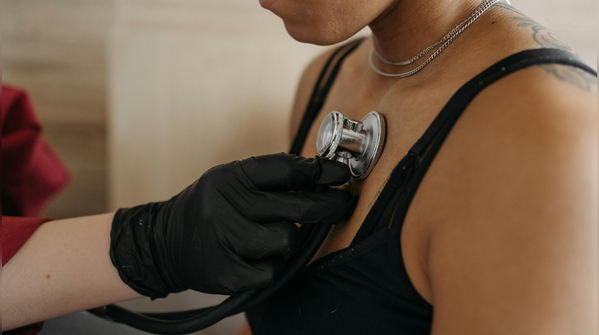
It’s normal for your heart to beat rapidly when you are exercising or nervous; however, if you notice your heart is skipping multiple beats or flopping multiple times irregularly, it could indicate an arrhythmia like atrial fibrillation, which can increase the risk of stroke

Dizziness or lightheadedness
Feeling faint can be caused by many things (like dehydration), but if it’s accompanied by chest discomfort or shortness of breath, it may mean your blood pressure has dropped because your heart isn't pumping the way it should.

Persistent cough or wheezing
A cough that doesn’t go away—especially one that increases when you lie down or sleep could be a sign of heart failure. This happens when the heart can't keep up with the blood flow, causing fluid to leak back into the lungs.

Cold sweats for no reason
Randomly breaking out in a cold sweat while sitting still is a common sign of a heart issue. If you experience sudden, unexplained excessive sweating alongside any of the other symptoms, you should see a cardiologist immediately.
How to stay safe?
Your heart is an excellent communicator; it’s our job to be a good listener. If you or anyone you know is experiencing these symptoms, you should immediately go see a doctor and get yourself checked; it could prevent a major adverse event in your life. Schedule an appointment with a cardiologist to discuss your risk factors, such as blood pressure, cholesterol levels, and family history.Medical experts consulted
This article includes expert inputs shared with TOI Health by: Dr Sagar Shah, Consultant Cardiologist at Apollo Hospitals, Sheshadripuram, Bangalore
Inputs were used to explain what are some biggest red flags that could help a person identify an unhealthy heart and seek immediate attention from a professional.
Featured In Health

