
- News
- Real Estate News
- 7 home interior design styles influencing modern residential spaces
7 home interior design styles influencing modern residential spaces
7 home interior design styles influencing modern residential spaces
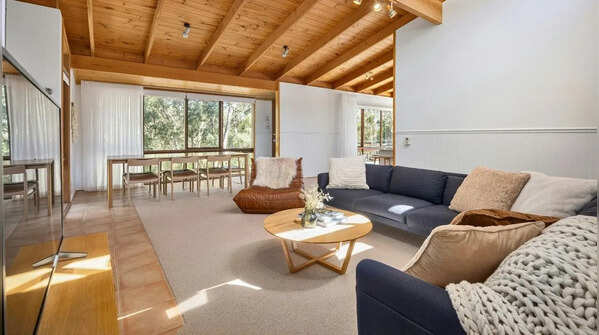
Interior design is one of the most important factors that contribute towards the comfort and appearance of homes today. Besides enhancing functionality, various interior design styles have become increasingly popular among homeowners who want their living spaces to reflect their personality and lifestyle. These design trends greatly impact all aspects of designing a space, right from furniture arrangement to colours used and layout plan. Here are seven interior design styles that continue to influence modern residential spaces:
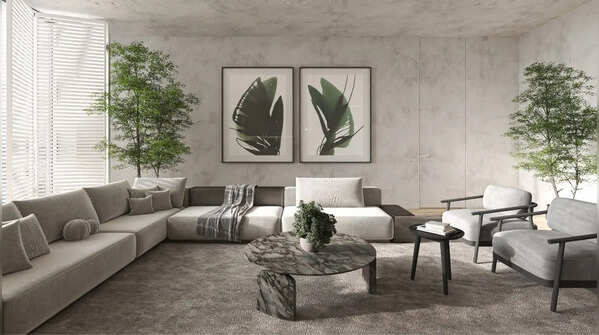
Minimalist Design
Minimalist interiors focus on simplicity, functionality, and clutter-free living. Characterised by clean lines, neutral colour palettes, and carefully selected furnishings, this style creates a calm and organised environment. Modern homeowners appreciate minimalism for its ability to maximise space, reduce visual distractions and promote a sense of balance and tranquility.
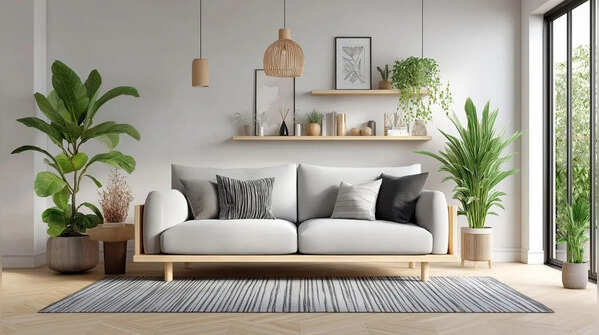
Scandinavian Design
Originating in Nordic countries, Scandinavian design combines simplicity with warmth and comfort. It emphasises natural light, light-coloured woods, soft textures and practical furniture. The style creates inviting living spaces that feel both elegant and functional. Its emphasis on comfort and simplicity has made it one of the most influential interior trends globally.
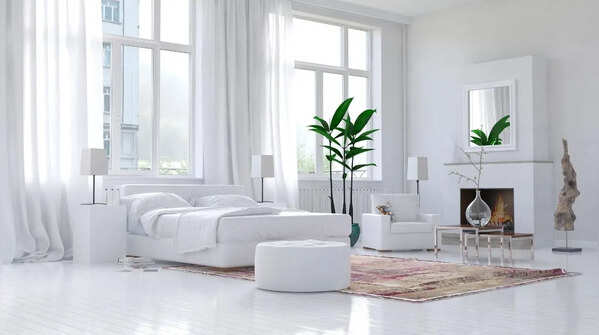
Contemporary Design
Contemporary interiors reflect current design trends while maintaining a sophisticated appearance. This style often incorporates open layouts, neutral tones, sleek furniture and innovative materials. Contemporary homes prioritise flexibility and modern living requirements, making them popular among urban homeowners who value both aesthetics and practicality.
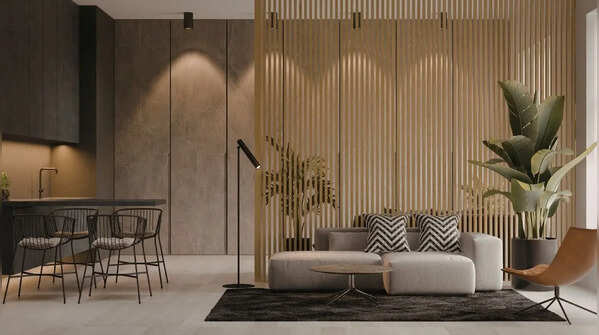
Industrial Design
Inspired by converted warehouses and urban lofts, industrial design highlights raw materials such as exposed brick, concrete, metal, and wood. Open spaces, visible structural elements, and minimalist décor define this style. Industrial interiors bring a distinctive character to modern homes by blending rugged textures with contemporary functionality.
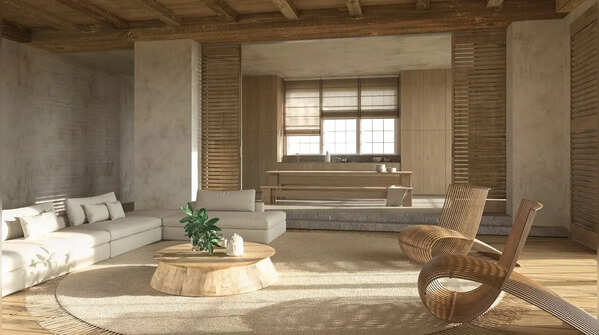
Modern Farmhouse Design
Modern farmhouse interiors combine rustic charm with contemporary elegance. This style features natural wood finishes, comfortable furnishings, neutral colours, and simple decorative elements. The result is a welcoming and cosy atmosphere that balances traditional warmth with modern sophistication, making it particularly appealing for family homes.
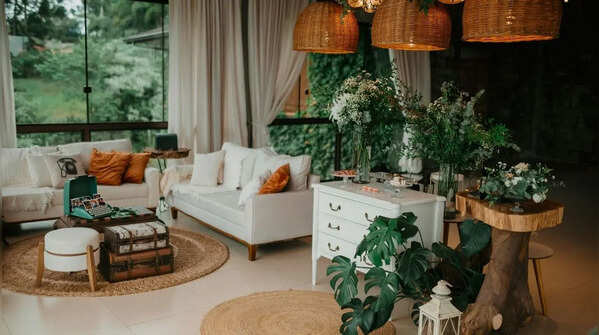
Bohemian Design
Bohemian, or "Boho," design celebrates creativity, individuality and cultural influences. It incorporates vibrant colours, layered textiles, handcrafted décor, and eclectic furniture arrangements. This style allows homeowners to express their personalities through unique combinations of patterns and materials, creating relaxed and visually engaging living spaces.
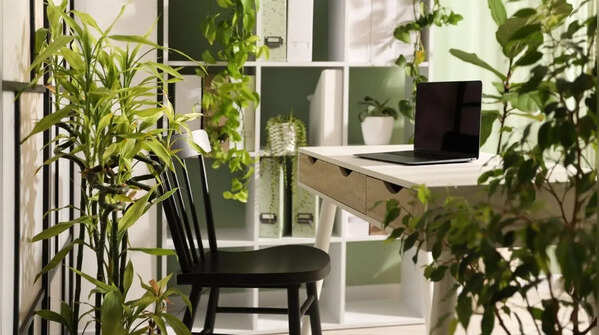
Biophilic Design
Biophilic design focuses on strengthening the connection between indoor environments and nature. It incorporates natural materials, indoor plants, abundant daylight, and organic textures. As wellness becomes a priority in residential design, biophilic interiors have gained popularity for promoting relaxation, improving air quality and enhancing overall well-being.
Interior design trends continue to evolve, but certain styles remain highly influential due to their adaptability and timeless appeal. Minimalist, Scandinavian, contemporary, industrial, modern farmhouse, bohemian, and biophilic designs each offer unique approaches to creating functional and aesthetically pleasing homes. By understanding these styles, homeowners can choose design elements that align with their preferences while enhancing comfort, beauty, and everyday living experiences.
(All Image Credits: Canva)
Featured In Real Estate

