
- News
- Real Estate News
- 7 warning signs of structural defects every homeowner should know
7 warning signs of structural defects every homeowner should know
7 warning signs of structural defects every homeowner should know
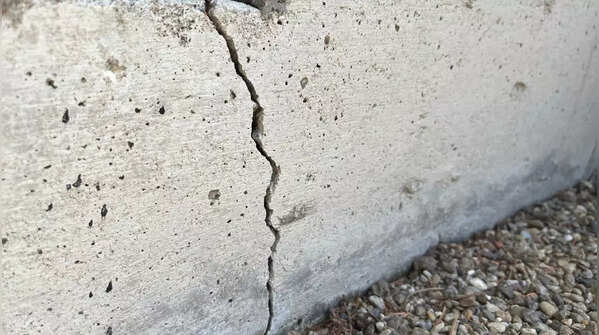
A house may look perfectly fine or in pristine condition while major problems are brewing within the system or at its foundation or frame. Issues such as foundation problems, moisture, or framing may become major issues in the future if not actively taken care of in the present.
Knowing when problems are showing themselves allows individuals to take speedy action in securing their property value while also securing the integrity within its structural frame.
Image Credit: Canva
Cracks in walls, ceilings, or floors
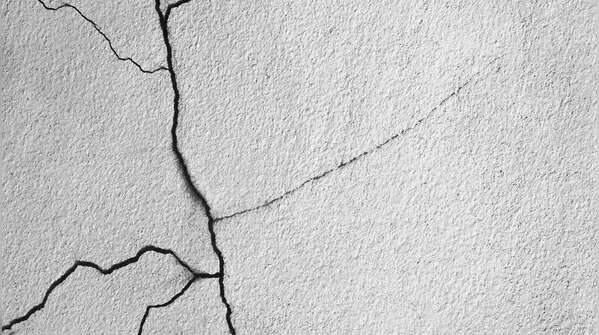
Visible cracks are often the earliest indication of structural movement. Wider cracks, diagonal or stair-step patterns, and cracks that continue expanding may signal foundation settlement or soil movement rather than simple cosmetic damage. Cracks radiating from doors or windows or spanning different materials should be professionally assessed, especially if they worsen after seasonal weather changes.
Image Credit: Canva
Foundation damage or widening slab cracks
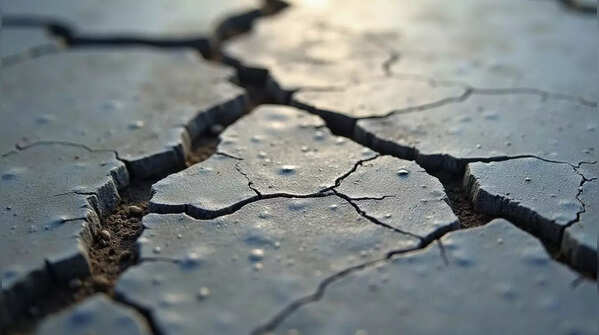
Because the foundation supports the entire building, any cracking, sinking, or lateral movement can affect walls, roofs, and floors. Large or growing slab cracks, vertical displacement, or erosion of supporting soil are strong warning signs that structural integrity may be compromised and require expert inspection before severe damage occurs.
Image Credit: Canva
Uneven, sagging, or bouncy floors
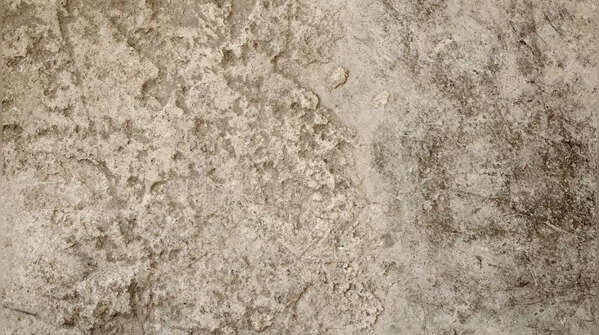
Floors that slope, feel springy, or develop gaps near baseboards often indicate foundation settlement, damaged joists, moisture-related rot, or failing support beams. Significant unevenness, especially if worsening, can point to hidden structural instability that may spread throughout the home if not addressed promptly.
Image Credit: Canva
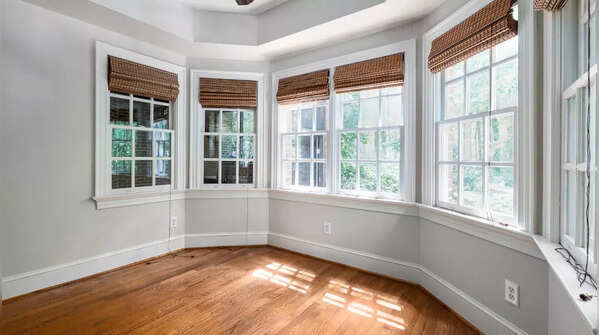
Doors and windows that stick or won’t close properly
Sudden cases of misaligned doors and windows are usually the results of a structural shift rather than seasonal humidity. Experiencing difficulties with multiple windows that do not open as they should, or gaps in the window frames where they should be closed off, may denote some level of distortion in the building framework.
Image Credit: Canva
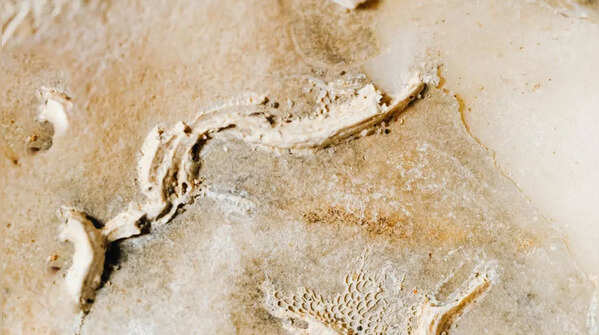
Bulging walls, bowing surfaces, or sagging ceilings
Walls that are bulging out, a ceiling that sagged, or a retaining wall bowed inward may indicate a structure that is under stress due to moisture, soil pressure, or undermined framing. This may be a sign of a deeper problem with the structure and may need to be inspected right away.
Image Credit: Canva
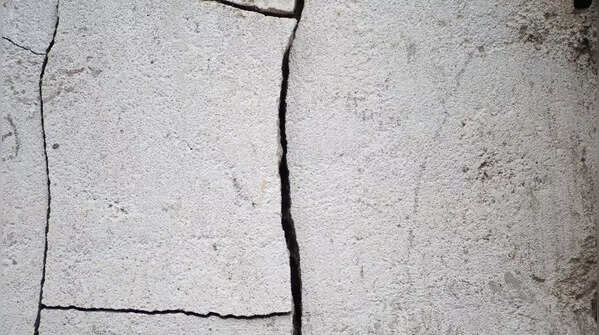
Gaps between structural elements
Separation where walls meet ceilings, floors, or window frames usually indicates movement within the building’s structure. Such gaps may accompany settling foundations, shifting frames, or moisture-related expansion and contraction, all of which can worsen over time without corrective action.
Image Credit: Canva
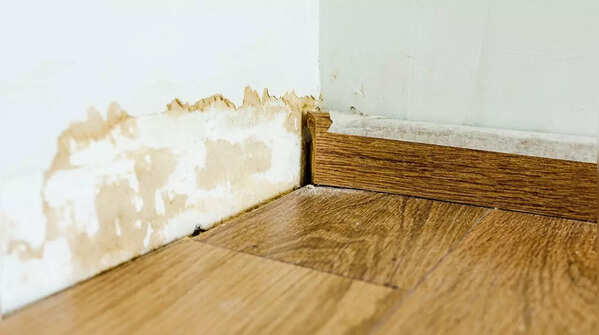
Moisture damage, musty odours, or crumbling concrete
Water intrusion can weaken concrete, promote mould, and accelerate structural decay. Signs such as damp basements, bubbling paint, soft flooring, or deteriorating concrete often indicate underlying moisture problems that threaten long-term stability and must be resolved quickly to avoid major repairs.
Such structural flaws usually do not suddenly happen but rather progress gradually due to movements in foundations, moisture, or degradation in materials. Because of this, one can identify issues with floor cracking, uneven surfaces, sticking doors, distorted walls, and water damage, prompting them to seek expert evaluation services before the repair works become extensive. Preventive awareness is, therefore, still the best way forward in ensuring one protects their property value and safety.
Image Credit: Canva
Featured In Real Estate

