
- News
- Health News
- Your HbA1c is normal, so why are you still tired?” Doctors explain the hidden insulin resistance stage
Your HbA1c is normal, so why are you still tired?” Doctors explain the hidden insulin resistance stage
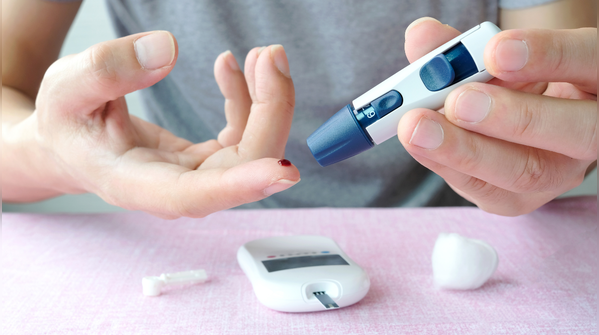
Your HbA1c is normal, so why are you still tired?
You check your reports. HbA1c is within range. The doctor says blood sugar looks fine. Yet, by mid-morning, energy dips. After lunch, eyes feel heavy. By evening, even small tasks feel draining.
So what is happening?
A normal HbA1c does not always mean metabolism is working smoothly. There is a stage, often silent, called insulin resistance. It can develop years before diabetes shows up on routine tests. And fatigue is often one of its earliest whispers.

What HbA1c actually tells you
HbA1c measures average blood glucose over the past three months. It does not measure how much insulin the body needs to keep that sugar normal.
Think of it like a monthly electricity bill. It shows how much power was used. It does not show how hard the generator worked behind the scenes.
In early insulin resistance, the pancreas produces extra insulin to keep blood glucose in the normal range. The result is a “normal” HbA1c but a stressed metabolic system.
Research published in government-backed databases like the US National Library of Medicine shows insulin resistance can begin years before type 2 diabetes is diagnosed.

The hidden stage: Insulin resistance
Insulin resistance means body cells do not respond properly to insulin. To compensate, the pancreas releases more.
We spoke to Dr Anusha Handral, Consultant - Diabetes and Endocrinology, Manipal Hospital Whitefield, who explained quite clearly, “Insulin resistance (IR) can cause fatigue even when glycated hemoglobin (HbA1c) levels remain within the normal reference range. In early stages of insulin resistance increase insulin productions maintains normal blood glucose levels, thereby we see normal hba1c despite underlying metabolic dysfunction. HbA1c reflects average blood glucose levels in blood over approximately three months but does not assess insulin resistance/dynamics.”
This stage is silent on paper but loud in daily life.
Studies referenced in journals have shown that insulin resistance can precede diabetes by several years.

Why insulin resistance makes you tired
Fatigue in insulin resistance is not “just in the head.” It has biological roots.
Dr Handral adds, “Insulin resistance leads to increased insulin production which can contribute to postmeal glucose fluctuations, leading to reactive symptoms such as somnolence and low energy. Theoretically, insulin resistance affects ATP generation at cell level, causes increased oxidative stress, low grade inflammation which affects central nervous system signalling and promote fatigue.”
In simple terms, cells struggle to use glucose efficiently. Energy production drops. Inflammation increases. The brain feels it. The body feels it.
Post-meal sleepiness becomes common. Cravings increase. Energy swings feel unpredictable.

Normal sugar, unstable energy
After a carbohydrate-heavy meal, blood sugar rises. The body releases a large amount of insulin. Sugar then drops quickly. That sharp fall can leave a person shaky, foggy, or extremely sleepy.
Even if average sugar over three months is normal, these swings can still happen daily.
The Indian Council of Medical Research (ICMR) has reported a rising burden of prediabetes and insulin resistance in urban India, often detected before diabetes develops.
This suggests that many people may be living in this hidden stage without knowing it.

Could it be something else?
Fatigue is complex. It is not always insulin resistance.
Dr Handral cautions that tiredness may also stem from thyroid disorders, vitamin deficiencies, iron deficiency, sleep apnea, or poor sleep quality.
A proper evaluation matters. Tests may include fasting insulin, lipid profile, thyroid panel, vitamin B12, ferritin, and sleep assessment if needed. Persistent fatigue should never be ignored or self-diagnosed.

What actually helps at this stage
Managing insulin resistance early can improve energy and reduce long-term risk.
Dr Handral advises, “Fatigue can be managed by adopting healthy lifestyle measures like dietary changes in form of increase protein, fiber in diet and reduce carbohydrates which will reduce post meal somnolence and give satiety for long duration, hydration, regular exercise for atleast 30min per day for atleast 5days per week and add resistance exercises, meditation, try to get 6-8hrs of sleep.”
This is not about extreme dieting. It is about stabilising blood sugar response.
Small but powerful shifts include:
Adding protein to breakfast.
Replacing refined carbs with whole grains.
Walking 10-15 minutes after meals.
Strength training two to three times a week.
Sleeping at fixed hours.
Even modest weight loss, around 5 to 7 percent of body weight, has been shown in NIH-supported studies to improve insulin sensitivity.

When to see a doctor
If tiredness lasts for weeks, disrupts daily life, or comes with weight gain around the abdomen, frequent hunger, or strong sugar cravings, a medical review is wise.
Early testing can catch metabolic dysfunction before diabetes develops. Early action can reverse it.
Medical experts consulted
This article includes expert inputs shared with TOI Health by:
Dr Anusha Handral, Consultant - Diabetes and Endocrinology, Manipal Hospital Whitefield
Inputs were used to explain why supplement overdose is a big health risk and why one should consult doctor before taking natural alternatives.
Featured In Health

