
- News
- City News
- delhi News
- 10 years on, Barapullah III still unfinished: 8.5-acre land dispute stalls key Delhi bridge project
10 years on, Barapullah III still unfinished: 8.5-acre land dispute stalls key Delhi bridge project
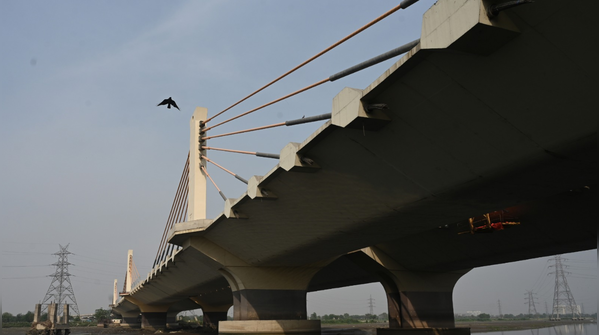
Planning failure: Work began without full land acquisition
The project’s biggest setback came from a basic lapse — construction started before acquiring all required land. Within a year, residents of Nangli Razapur objected, halting work on a crucial stretch and exposing gaps in initial planning.
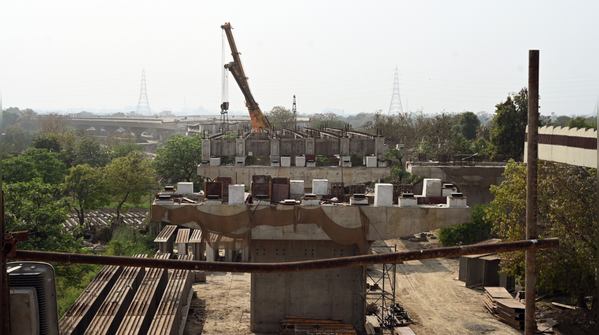
Land dispute: 7-year delay over 8.5 acres
The dispute over around 8.5 acres of land dragged on from 2016 to 2023. Continuous back-and-forth between authorities and landowners stalled progress, leaving a 700-metre stretch and a key pillar incomplete for years.
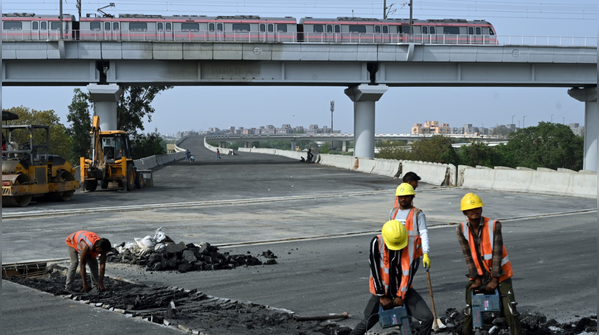
Compensation deadlock: Rs 17 lakh vs Rs 3 crore per acre
The land, classified as riverine, had a notified rate of Rs 17 lakh per acre, while owners demanded Rs 3 crore. The disagreement led to prolonged negotiations, social impact assessments, and eventual settlement only in 2024.
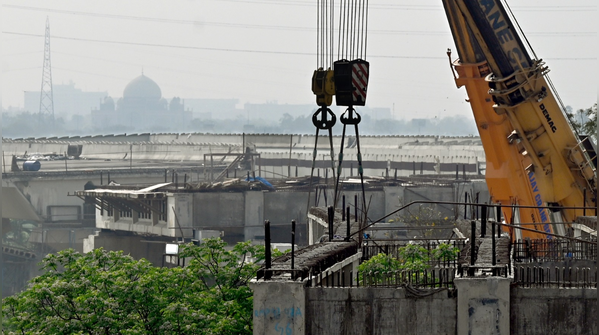
Environmental oversight: Tree issue discovered late
Nearly a decade after project approval, officials identified about 300 trees along the alignment. This late discovery meant fresh surveys, compliance, and permissions, further delaying construction timelines.
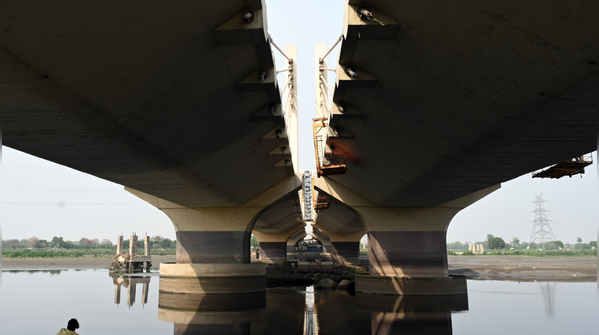
Clearance delays: Legal and regulatory hurdles
Permissions under the Delhi Preservation of Trees Act and approvals from the Central Empowered Committee took time. Even after reassessment reduced tree cutting to 85, approvals for around 170 trees only came in July 2025.
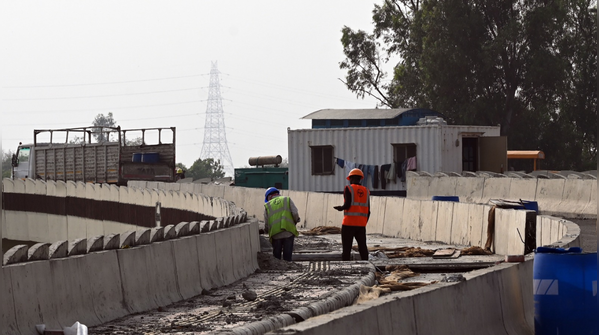
Poor pre-execution surveys: Issues surfaced midway
Critical elements like high-tension lines, land conditions, and alignment challenges were not fully assessed beforehand. These had to be addressed during construction, leading to repeated interruptions and revisions.
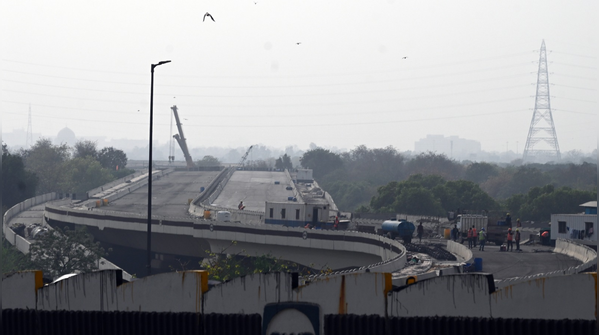
Engineering complexity: Challenging floodplain construction
Building across the Yamuna floodplain required deep foundations of up to 50 metres and massive wells of 14 metres in diameter. Flooding risks and even a suspected pier tilt added to delays and technical difficulties.
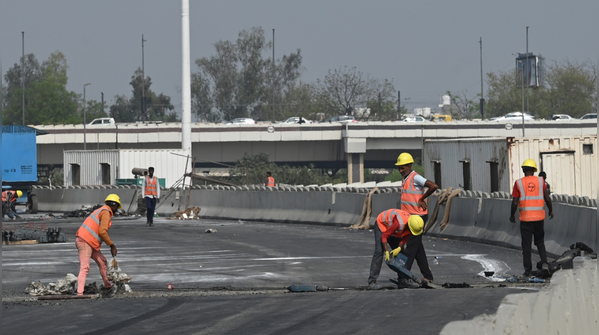
Pandemic impact: Progress nearly stalled
The Covid-19 pandemic disrupted labour and logistics significantly. Between 2019-20 and 2022-23, progress barely moved from about 80% to 82%, highlighting the extent of slowdown.
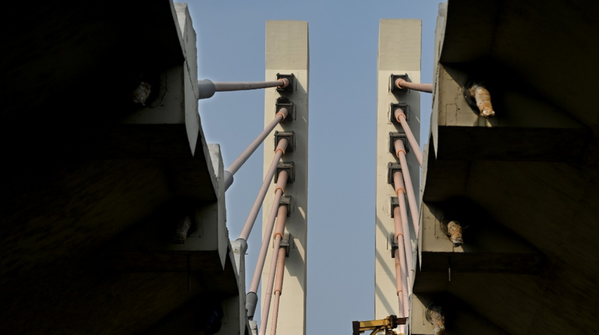
Project opened in pieces
In August 2021, small sections were inaugurated despite the project being far from complete. This pattern of multiple inaugurations created a perception of progress without delivering full commuter benefits.
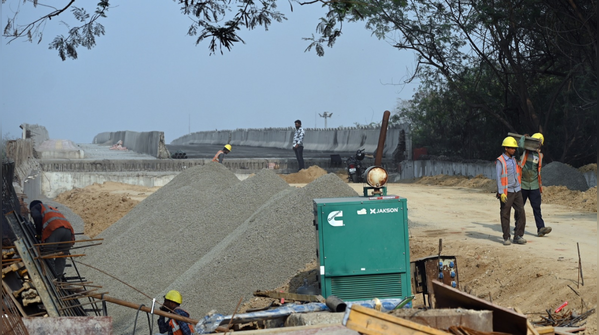
Cost overrun and hidden losses
The delay added an estimated Rs 400–600 crore to project costs. However, the real burden is far higher, including fuel wastage, pollution, lost productivity, and daily commuter stress due to prolonged congestion.
Featured In City

