
- News
- Health News
- Why your body twitches, tingles, or has mini spasms: Hidden causes and proven ways to calm your nervous system
Why your body twitches, tingles, or has mini spasms: Hidden causes and proven ways to calm your nervous system

The science behind “random” body twitches, tingles, and mini spasms
A sudden eyelid flicker during a meeting. A brief tingling in the foot after sitting too long. A tiny muscle jump just before sleep. These moments often feel random, even unsettling. But the body is rarely random.
What feels like a glitch is often a signal. The nervous system is constantly firing messages, adjusting balance, and correcting small errors. Sometimes, those signals spill over. The result is a twitch, a tingle, or a brief spasm that seems to come out of nowhere but has a clear biological story behind it.

When nerves “misfire,” muscles respond
At the center of these sensations lies a simple mechanism. Nerves send electrical signals to muscles. When that signal becomes slightly irregular, the muscle reacts with a small contraction.
Dr Shilpa Singi explains, “People tend to view body twitches and tingles and mini spasms as random movements but these actually function as hidden indicators that the nervous system sends out. The sensations occur because nerves temporarily misfire and muscles experience small contractions known as fasciculations.”
Men's health: Doctor shares early signs of low testosterone and if over-the-counter supplements help
These fasciculations are usually harmless. They are brief, local, and often linked to everyday strain on the body.

The everyday triggers most people overlook
The body does not need a major illness to twitch. It reacts to small imbalances.
Dr Singi notes, “The condition can develop through non-serious common triggers which include fatigue and stress and excessive caffeine consumption and dehydration and extended screen viewing time because these factors lead to nervous system overstimulation.”
A long day, too much coffee, or even hours of scrolling can push the nervous system into a slightly overactive state. Then the body tries to recalibrate. That recalibration sometimes shows up as tiny, visible movements.
A large body of research supports this link between lifestyle and neuromuscular symptoms. A review by the National Institutes of Health explains how fatigue and stress can increase nerve excitability, leading to muscle twitching.
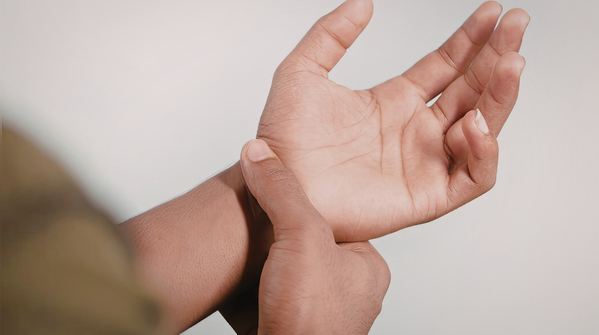
Why “pins and needles” happen so suddenly
That familiar tingling sensation has a clear explanation.
Dr Singi explains, “People experience tingling which they call ‘pins and needles’ because they experience temporary nerve compression or blood flow reduction during awkward sitting and sleeping positions.”
When a limb stays in one position for too long, nerves get compressed and blood flow slows. The brain receives distorted signals. Once the position changes, blood flow returns, and the nerves “wake up.”
This creates that sharp, prickly feeling. It feels intense, but it is usually short-lived and harmless.

Mini spasms and the role of minerals
Muscles do not work alone. They depend on electrolytes like magnesium, potassium, and calcium.
Dr Singi says, “People experience muscle spasms when their muscles face two conditions: they need to rest and they need magnesium and potassium and calcium, which are vital for correct nerve and muscle function.”
Even mild dehydration or a small mineral imbalance can disrupt the way nerves communicate with muscles. The result is a sudden tightening or twitch.
A report from the National Health Service notes that low magnesium and dehydration are common contributors to muscle cramps and spasms.

Why it often shows up at nightMany people notice twitches when they finally lie down. This is not a coincidence.
At night, external distractions drop. The brain shifts from active control to a resting state. During this transition, small nerve signals become more noticeable.
There is also a known phenomenon called hypnic jerks. These are sudden muscle contractions that occur just as the body falls asleep. They are linked to fatigue, stress, and caffeine.
A sleep study published by the Centers for Disease Control and Prevention highlights how sleep deprivation increases neuromuscular irritability.

When the body is asking for a reset
Most twitches are not warnings of disease. They are reminders.
Dr Singi adds, “The body experiences slight neuromuscular coordination problems after a long day or inadequate sleep which results in unintentional movements and tingling feelings.”
In simple terms, the system is tired. It needs rest, hydration, and balance.
There is a quiet pattern here. When lifestyle slips, the body speaks in small signals first. Twitches, tingles, and spasms are often among the earliest.

When to pay closer attention
Most of these sensations fade on their own. But not all should be ignored.
Dr Singi cautions, “The majority of these symptoms do not pose any danger because they will resolve their own problems yet medical help becomes necessary when patients show ongoing twitching that gets worse and spreads throughout their body.”
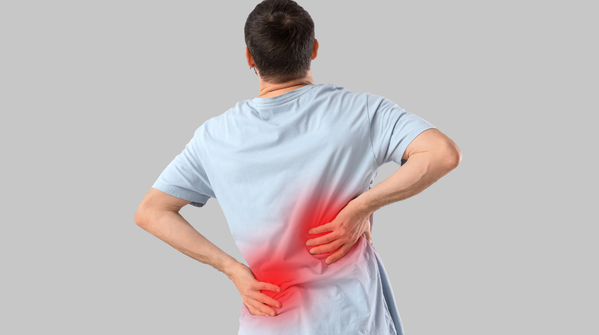
There are clear red flags. Persistent twitching, muscle weakness, numbness, or coordination issues need evaluation.
These signs may point to underlying neurological or metabolic conditions. Early attention can make a real difference.
What actually helps reduce them
Reducing these episodes is less about treatment and more about restoring balance.
Hydration matters. Even mild dehydration affects nerve signals.
Sleep is non-negotiable. Seven to eight hours stabilise nerve activity.
Caffeine needs limits. Too much overstimulates the system.
Movement helps. Regular stretching reduces muscle fatigue.
Nutrition counts. Foods rich in magnesium and potassium support muscle function.
None of these are quick fixes. But together, they calm the nervous system over time.
Medical experts consulted
This article includes expert inputs shared with TOI Health by:
Dr Shilpa Singi, Lead Consultant - Academies and Strategies Internal Medicine, Aster Whitefield Hospital, Bangalore.
Inputs were used to explain the science behind seemingly random body twitches, tingles, and mini spasms, and to clarify when these sensations are harmless and when they may need medical attention.
Featured In Health

